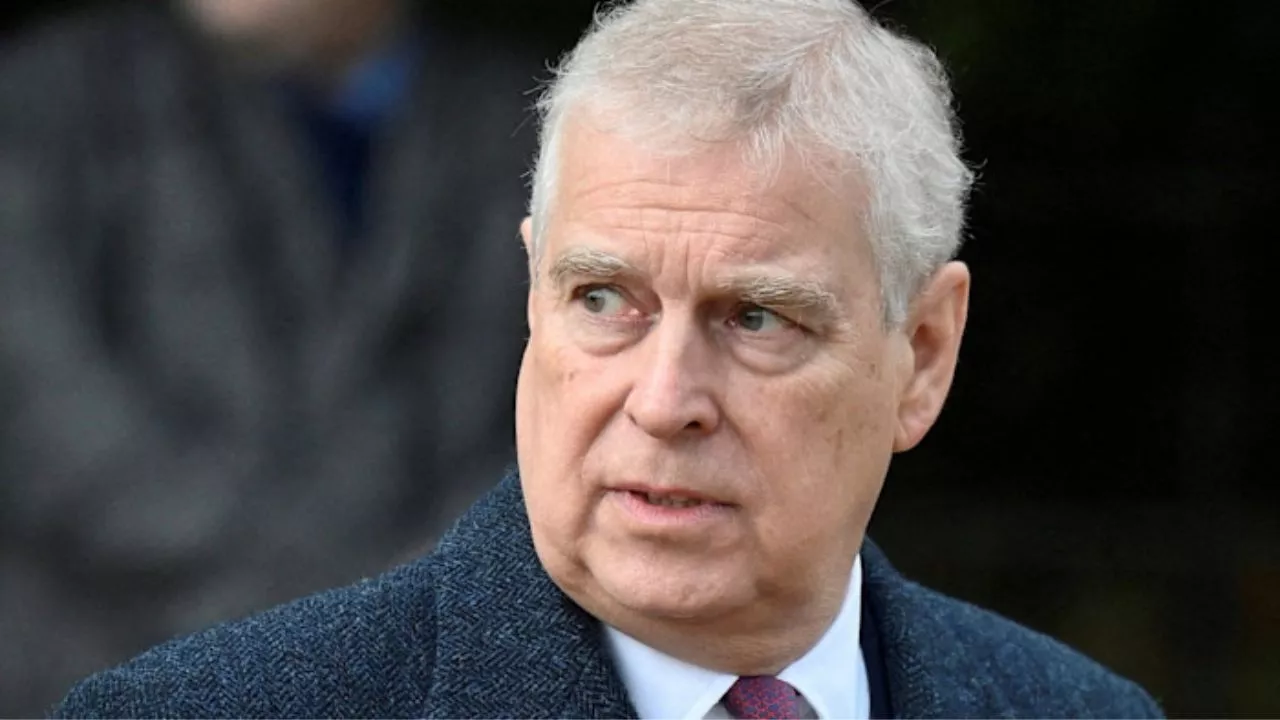
The arrest of Prince Andrew on suspicion of misconduct in public office marks a dramatic and potentially consequential development in a saga that has shadowed the British royal family for years.
According to statements released Thursday, officers from Thames Valley Police detained a man in his sixties as part of a newly opened investigation into allegations tied to events dating back more than a decade.
While British authorities did not formally name the individual, longstanding legal custom in the United Kingdom restricts police from publicly identifying suspects at this stage of an inquiry.

However, officials confirmed they are examining claims that the former royal may have shared trade-related information in 2010 with the late American financier and convicted sex offender Jeffrey Epstein.
In a carefully worded statement, the police force said it had conducted a “thorough assessment” before deciding to launch a formal investigation into alleged misconduct in public office.
The statement emphasized the need to “protect the integrity and objectivity” of the investigative process, signaling that authorities anticipate significant public and media scrutiny.

The arrest adds to years of controversy surrounding Andrew’s relationship with Epstein, whose criminal convictions and subsequent death in 2019 triggered global examination of his associations with high-profile figures in politics, business, and royalty.
Although Andrew stepped back from public royal duties in 2019 amid mounting criticism, the renewed legal action suggests that scrutiny of his past dealings is far from over.
Legal experts note that misconduct in public office is a serious allegation under U.K. law.

The common law offense applies to public officials who are accused of willfully neglecting their duties or abusing their position in a manner that amounts to a serious breach of public trust. Convictions can carry significant penalties, including potential imprisonment.
The implications for the royal family are substantial. While Andrew no longer performs official engagements and relinquished military affiliations and royal patronages in recent years, he remains a member of the royal household.
Buckingham Palace has not issued an immediate comment on the arrest, maintaining its longstanding approach of distancing the institution from personal legal matters involving individual family members.

Public reaction has been swift and divided. Critics argue that the investigation demonstrates the principle that no one is above the law, regardless of status or title.
Supporters of Andrew, however, caution against presuming guilt before the facts are fully established, emphasizing the importance of due process and the presumption of innocence.
The development also reignites broader debate about transparency and accountability among public figures. Epstein’s network of influential contacts has been the subject of multiple investigations in both the United States and the United Kingdom.

Court filings and document releases over the years have repeatedly placed prominent individuals under uncomfortable scrutiny, even when no criminal charges ultimately followed.
News of the arrest was first reported by The Associated Press, which cited police sources and official statements. The report quickly circulated across international media outlets, reflecting the global interest that continues to surround the scandal.
As the investigation proceeds, authorities are expected to conduct interviews, review historical communications, and examine documentary evidence related to the alleged exchange of information.

Legal analysts suggest the case could take months, if not longer, to resolve, given its complexity and high-profile nature.
For now, the arrest represents a pivotal moment in a long-running controversy that has tested public confidence in institutions on both sides of the Atlantic.
Whether it ultimately leads to formal charges or exoneration, the outcome is certain to shape the legacy of a once-prominent royal figure and further define the evolving relationship between power, privilege, and accountability in modern Britain.










Leave a Comment