
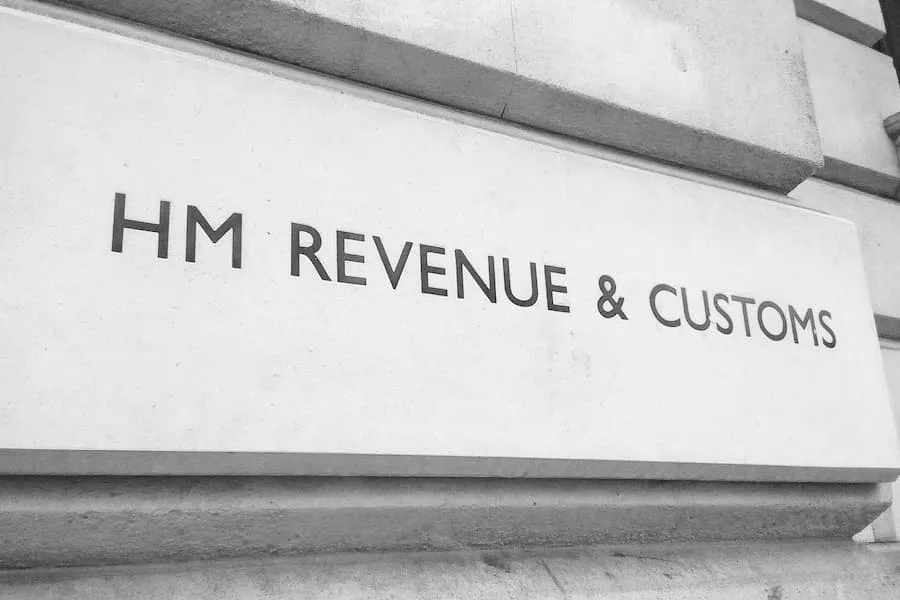
HM Revenue and Customs shared an announcement clearly stating that starting from May 18, 2026, anyone who gets paid to handle tax matters for other people and deals with HMRC must sign up properly as a tax adviser.
This means setting up an agent services account, and the rules apply even if you never call yourself a tax adviser or think your work counts as giving tax advice. The change comes from the updated guidance HMRC put out recently.
If your business talks to HMRC about someone else’s taxes by phone, letter, email, through the government website, or the HMRC app, or if you send in returns, claims, or other papers, then registration becomes necessary. You cannot skip it just because you see your role differently.

For small firms with five people or fewer, every single person in the firm has to register as a relevant individual, no matter if they actually do tax work or not.
In bigger firms with six or more people, all relevant individuals need to register too. That covers officers who handle tax adviser tasks and anyone else who has a big part in managing or setting up those activities.
Whereas, if a firm has fewer than five people doing the relevant work, they have to nominate others to reach five.

Every business or sole trader signing up for an agent services account also needs to show proof that they have supervision for anti-money laundering purposes. People on their own don’t have to provide that evidence.
On top of that, if a business has overdue tax returns or tax bills without a proper payment arrangement, they will not get through the registration process.
The idea behind all this is to bring proper oversight and keep professional standards high when people deal with taxes for others.

Sean Swimby, who directs stamp duty work at SCA Tax, said firms that speak to HMRC for clients should think carefully about how they will handle these new demands moving forward. Some people in the legal world have not welcomed the guidance.
Simon Law, who chairs the Society of Licensed Conveyancers, pointed out that the rules, including the need for mandatory anti-money laundering supervision and details on relevant individuals who manage or organise tax-related work, will create heavy extra work for many firms.
The Society has long argued against forced adviser registration and sent a recent letter to the Chancellor explaining their worries.

They believe raising standards makes sense and is something everyone wants, but the way this is set up could put too much admin pressure on honest legal practices without really helping consumers much.
They also think parts of it reach too wide, pulling in professionals who do not present themselves as tax advisers, and overlapping with rules that already exist.
Sheila Kumar, chief executive at the Council for Licensed Conveyancers, expressed real disappointment that HMRC didn’t adjust things to leave out conveyancers who cannot give tax advice but still handle stamp duty land tax submissions and payments for clients.

She mentioned a letter from Dame Janet Paraskeva to the Chief Secretary to the Treasury that highlighted the dangers, like duplicating oversight in an area with no real issues now, and letting questionable people claim they are registered with HMRC for tax advice when they have no right to offer it.
This goes against attempts to make buying and selling homes smoother, better for consumers, and helpful for economic growth.
Lidia Quinlan from Compass, a firm focused on specialist tax advice, noted that the registration push reminds some firms of something they might have missed.

Getting advice on a stamp duty calculation doesn’t shift the responsibility away. If the firm stays the one submitting, they stay accountable for the tax outcome.
Real protection comes only when the submission gets handed over fully to a third party who then acts as the submitting tax adviser.
Firms ought to look at their stamp duty approach soon, well before deadlines, to prevent rushed problems, delays in deals finishing, or queues from registration delays.

Getting ready early will help keep things running smoothly and safeguard clients. George Bould from SDLT Check agreed it is not a cause for panic, but a useful moment to stop and check current ways of working.
For most, it will not bring huge shifts, just a careful look to make sure tax advice inside the firm is clear, properly recorded, and overseen correctly.
He has even contacted HMRC directly for more details on how this works when a firm outsources parts like questionnaires, advice, filling documents, and submission, but still moves the money to HMRC, and what that means for any registration needs.

Simon Law from the Society of Licensed Conveyancers said the guidance does clear up some steps but leaves many big questions unanswered, especially around what proof is needed, exactly who counts as a relevant individual, and how HMRC will use conduct standards in real situations.
With registration rolling out in stages through 2026, firms need more solid answers soon so they can prepare without messing up client work.
The Society keeps pushing HMRC and the Treasury to talk properly with the profession and adjust the system so it raises standards fairly without loading unnecessary work onto legal providers who already face regulation.











Leave a Comment