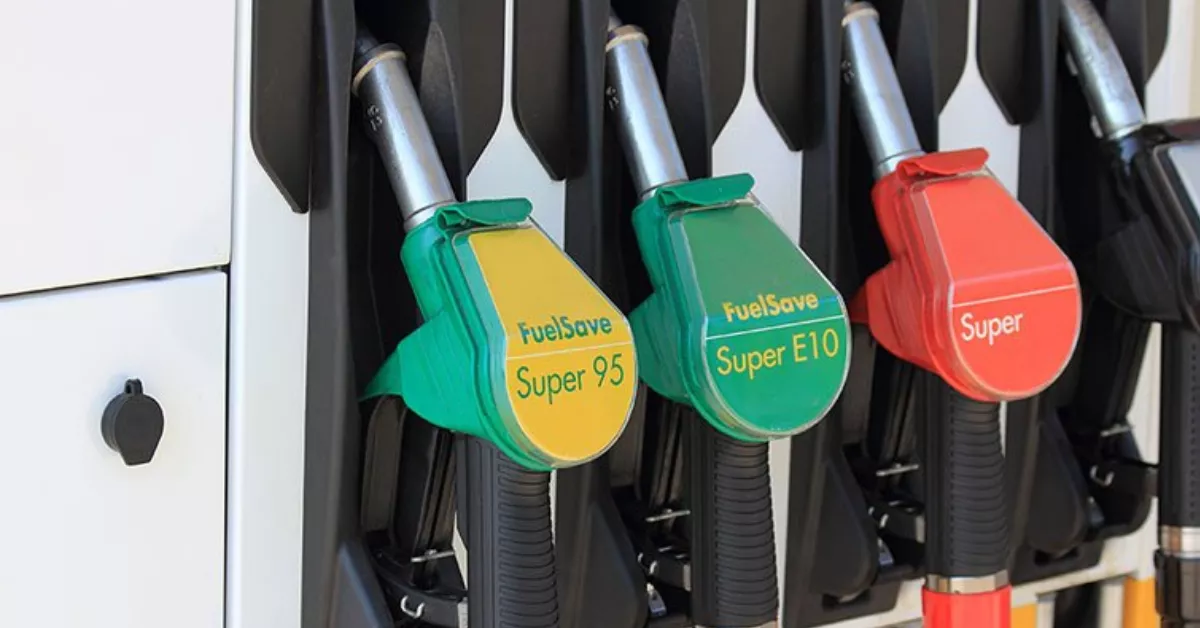
The ongoing conflict in the Middle East is starting to affect global oil supply, and this could soon make petrol and energy more expensive in the UK.
Following US and Israeli strikes on Iran, and retaliatory attacks by Tehran across the Gulf region, the Strait of Hormuz, a vital artery for the world’s oil trade, has become a flashpoint.
With reports of vessels struck by projectiles and more than 150 tankers forced to anchor outside the strait, the disruption is already sending shockwaves through international markets.

The Strait of Hormuz is one of the most strategically important waterways in the world. Each day, around 15 million barrels of crude oil pass through its narrow channel, accounting for nearly a third of global trade.
It is also a key route for liquefied natural gas exports from Qatar. Any prolonged closure or disruption would have immediate consequences for energy supplies worldwide, and the UK, heavily reliant on imports, is no exception.
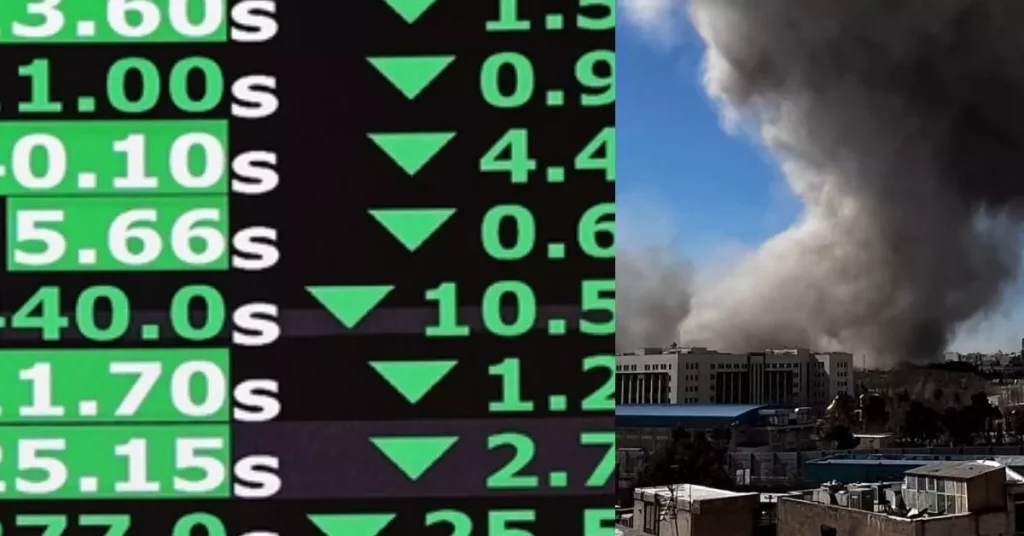
Markets reacted swiftly to the turmoil. Brent crude surged by as much as 13%, briefly topping $82 a barrel before easing back.
Analysts warn that if the strait were fully blocked, oil prices could spike dramatically, with direct consequences for consumers.
While wholesale oil prices move quickly, there is typically a lag of several weeks before changes are reflected at the pump. This means UK drivers may not feel the full impact immediately, but increases are expected in the coming weeks.
Fuel industry experts have already begun outlining possible scenarios. Petrol prices in February averaged around 132.83p per litre, with diesel at 142.38p. According to RAC policy head Simon Williams, if oil stabilizes at $80 a barrel, petrol could rise to 136p per litre.
At $90, prices may exceed 140p, and at $100, UK drivers could face costs closer to 150p per litre. Edmund King, president of the AA, has cautioned that pump prices will “inevitably increase” in the short term, potentially returning to levels seen at the start of the year.
For households, the timing is particularly difficult. Rising fuel costs feed directly into transport expenses and household energy bills, adding to the ongoing cost-of-living pressures. Inflationary effects are likely to ripple through the economy, raising the price of goods and services dependent on transport and energy.
While warmer weather in spring may improve fuel efficiency slightly, reducing strain on engines and lowering consumption, the broader economic risks remain clear.

Supermarkets may be able to cushion the blow temporarily. Research by the Competition and Markets Authority suggests that supermarkets, with their stronger bargaining power and shorter wholesale contracts, can delay or soften price hikes compared to smaller independent retailers.
However, if oil prices remain elevated for weeks, even supermarkets will be forced to pass on costs to consumers.
Ultimately, the extent of the impact depends on how long tensions persist and whether the Strait of Hormuz remains open.

If the conflict escalates further, the UK could face another wave of price hikes and inflationary pressures, underscoring the vulnerability of global energy markets to geopolitical shocks.
For now, consumers are advised not to panic, but to prepare for gradual increases in petrol and energy costs as the situation unfolds.









Leave a Comment