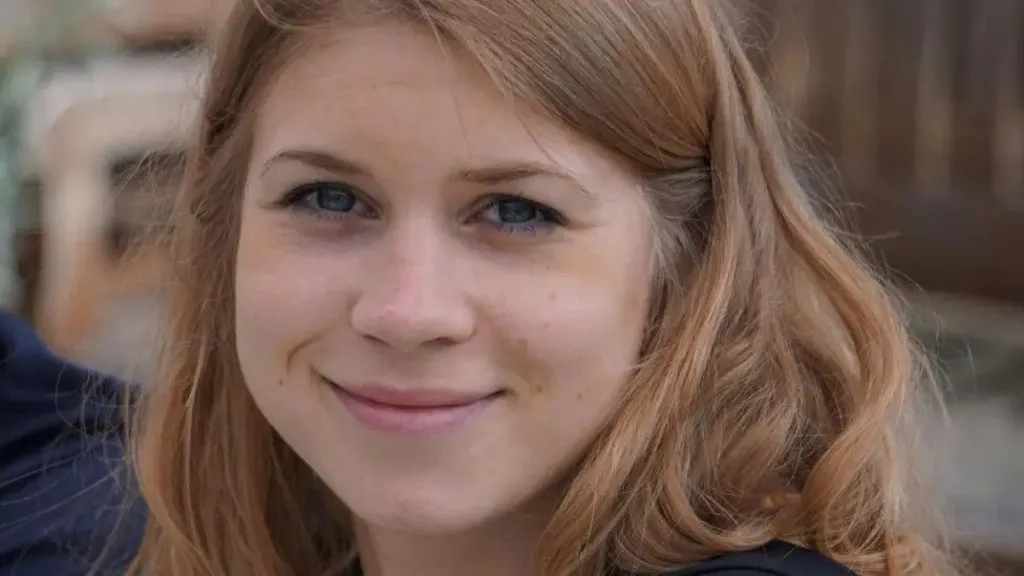
Sarah Everard was a 33-year-old woman who disappeared on March 3, 2021, while walking home in Clapham, London. However, she was murdered by serving Metropolitan Police Officer Wayne Couzens, a case that shocked the UK and changed conversations about women’s safety and policing.
On the evening of March 3, 2021, Everard was walking home from a friend’s house near Clapham Common and spoke to Lowth for about 15 minutes during her journey. When she did not arrive home and could not be reached the next day, Lowth raised the alarm and appealed for help.
In one early social media plea he wrote, “Sarah is still missing. Please share this post to help us to find her. Today, more than ever, we miss our strong, beautiful friend.”

The search that followed gripped the nation. Within days police arrested a serving Metropolitan Police officer and the investigation revealed horrifying details.
Prosecutors said Couzens used his police status to stop and handcuff Everard before abducting her, later raping and murdering her.
He pleaded guilty to kidnap, rape and murder, and was given a whole life order, a sentence reflecting the brutality of his crimes and the serious breach of public trust involved.

These facts and the court record laid bare how a uniform meant to protect the public was abused to commit a brutal offence.
Lowth’s early messages remain a raw record of those first frantic, desperate hours. They show the human toll behind headlines and investigations, the confusion and hope that family and friends held on to even as police worked through CCTV and forensic leads.
The case was also notable for the forensic trail that led investigators to Couzens, including vehicle sightings and CCTV that linked the hire car he used to the crime.
The revelation that a serving officer had committed such acts prompted immediate and sustained public outrage.
Beyond the criminal case the murder prompted urgent questions about policing culture, vetting and operational safeguards. Independent reviews and inquiries followed, and senior officials acknowledged the damage to public confidence in policing.
Recommendations to improve vetting, supervision and the way forces respond to concerns about officers emerged from those reviews, but many campaigners and members of the public say more must still be done to restore trust and better protect women in public spaces.
The wider debate about women’s safety, about how seriously reports of threats are taken, and about how to prevent the abuse of authority has continued in the years since.
On anniversaries and public commemorations the family and supporters have emphasised Sarah’s life and the ordinary hopes she had, rather than defining her by the crime that ended it.

Friends remember a thoughtful, warm woman with plans and ambitions, someone who had been saving and planning for a future.
The family’s public statements and the dignified way they engaged with the judicial process have also kept focus on victims and on the need for systemic change.
At the same time the presence of Lowth’s early appeal in the public record is a lasting reminder of the personal grief that began the case.
Lowth kept a low profile after reporting Sarah missing, and subsequent public commentary from him has been limited, leaving the family and official statements to carry much of the public-facing response.
The central facts remain clear, and they are devastating: a partner reported a loved one missing, a major police inquiry followed, a serving officer was convicted of kidnap, rape and murder, and the case exposed deep anxieties about safety and trust in public servants.









Leave a Comment