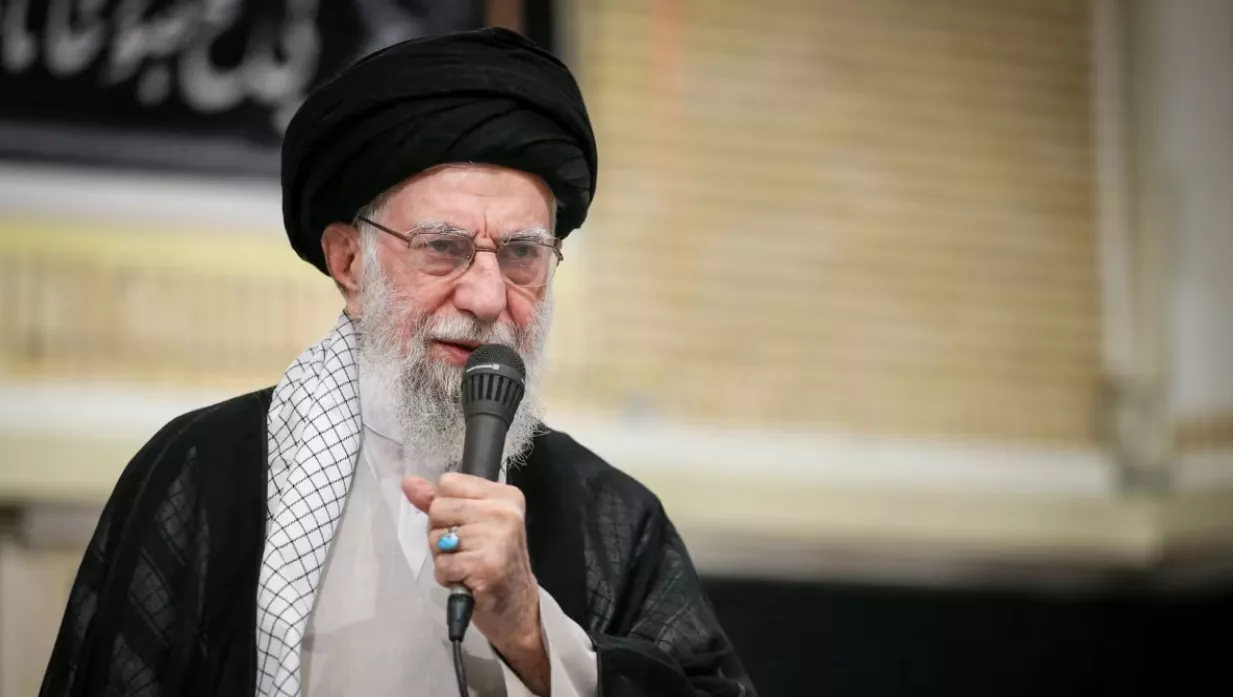
Iran is not standing alone in the current confrontation with the United States and Israel, but the backing it can rely on is a mix of regional proxies, like Hezbollah and other militias, long-standing tactical relationships with groups such as Hamas, and diplomatic cushioning from major powers that prefer to avoid outright military confrontation.
That combination makes the situation complex: Tehran can project influence through partners on the ground while its state allies offer political cover and calls for restraint rather than direct combat support.
In the Levant, Hezbollah remains Iran’s most capable and direct ally. The group receives funding, weapons, and training from Tehran and has mobilised politically and militarily in ways that align closely with Iranian strategy.

Recent rallies in Beirut demonstrated public displays of solidarity with Iran after strikes hit Iranian territory, and intelligence and battlefield reporting show Hezbollah poised to act if the conflict spills over into Lebanon, a prospect that Israeli officials have warned could trigger heavy responses.
Those dynamics mean Iran’s influence in Lebanon is a key multiplier in any wider regional escalation.

Relations with Palestinian groups are different but still consequential. Hamas is not an Iranian proxy in the strictest sense, it is a Sunni movement with its own agenda, but Tehran has provided material and political support to Hamas in the past, and the relationship can be activated when both sides see benefit.
That pragmatic cooperation allows Iran to exert pressure on Israel through indirect channels in Gaza and the occupied territories, even if Tehran does not control every tactical decision made by Palestinian leaders.
Beyond the proxies and militant networks, Iran’s international backing is largely diplomatic and strategic. Russia and China have publicly criticised U.S. and Israeli strikes and urged restraint, framing their responses as calls for de-escalation and negotiation.

Those statements matter: they complicate any unified international response and provide Tehran with political breathing room in international forums where sanctions, sanctions relief, or other measures might otherwise be pressed.
That diplomatic support is not the same as deploying forces, but it changes the geopolitical calculus for Washington and its partners.
At the same time, many countries in Europe and the broader Middle East have called for restraint and adherence to international law, putting pressure on all sides to avoid further escalation.

The European Union, for instance, has urged maximum restraint while condemning indiscriminate attacks, reflecting a widely shared interest in preventing a wider, more destructive regional war that would harm civilians and global commerce.
That mix of northern and regional voices underscores how most states favour containment and diplomacy over aligning openly with either Iran or the U.S.-Israeli military campaign.
What this configuration of support means on the ground is primarily indirect power projection rather than formal military alliance. Iran’s proxies can strike or harass across borders, creating security headaches and forcing regional actors to divert resources.

Diplomatic backing from major powers can blunt the effectiveness of punitive measures and affect how both sides calculate risk.
And public protests and regional sentiment, visible from Beirut to other cities, add a layer of political pressure that leaders must consider even as they weigh military options.

There are limits and risks to this arrangement. Proxy warfare and diplomatic posturing increase the chance of miscalculation and unintended escalation, especially around critical infrastructure and shipping routes.
Several Gulf states, worried about regional stability and the security of energy and transport routes, have been vocal about defending their territories and populations, and some have even weighed more forceful responses.
That means Iran’s strategy of using partners and diplomatic allies to push back against Israel and the United States carries real hazards of widening the fighting.

Put simply, support for Iran today looks like a three-part mix: armed regional partners who can act locally, pragmatic relationships with groups such as Hamas that can be mobilised when useful, and diplomatic backing from major powers that prefer pressure and negotiation to direct intervention.
ach element strengthens Tehran in certain ways while also constraining it: proxies expand reach, but risk retaliation, pragmatic allies provide leverage without command, and diplomatic supporters offer legitimacy without fighting. That ambiguity is what makes the crisis dangerous and what makes diplomacy urgent.









Leave a Comment