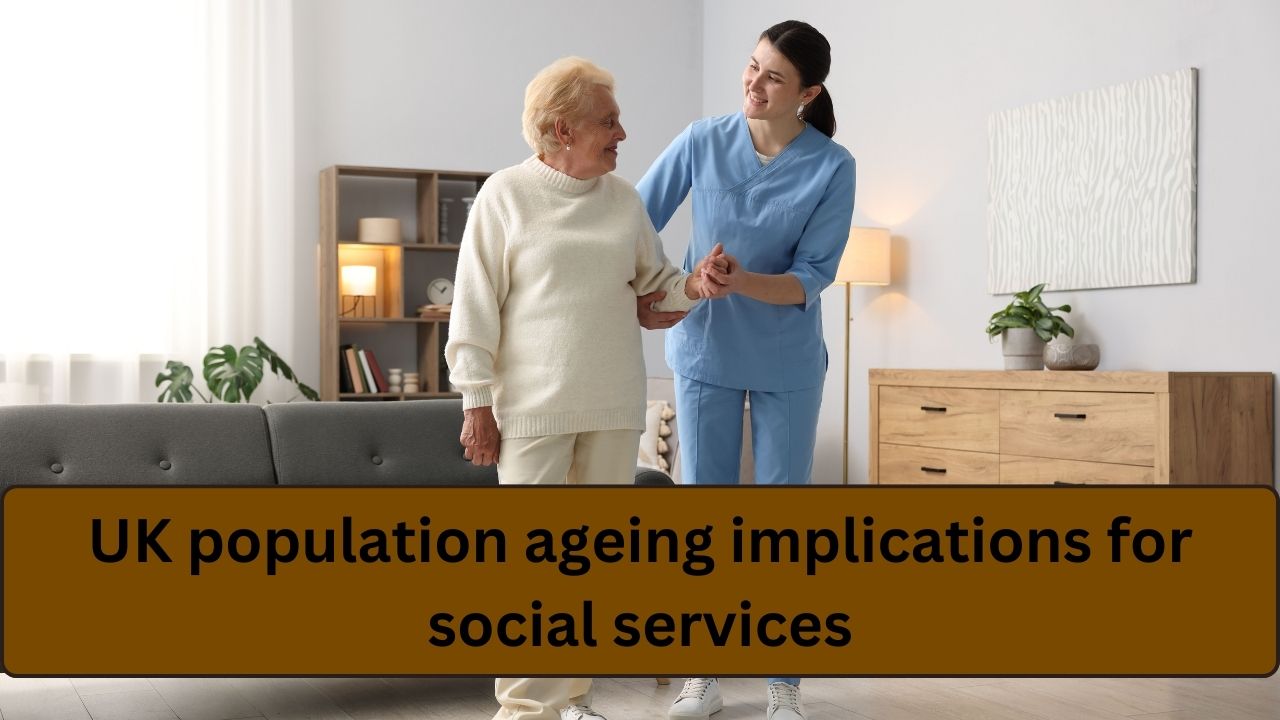
Across the UK, a profound demographic shift is underway. People are living longer, birth rates are lower, and the proportion of older adults is rising steadily. While longer lives are a success story, they are also creating serious and lasting implications for social services — from healthcare and social care to housing and community support.
Policymakers, councils, and care providers warn that the system is already under strain, and the pressures linked to population ageing are set to intensify throughout the rest of the decade.
The Scale of the Ageing Shift
The UK population is ageing faster than many people realise.

Key trends include:
- A growing number of people aged 65 and over
- Rapid expansion of the over-80 age group
- Fewer working-age adults supporting more retirees
- Longer periods of later-life care needs
This demographic reality is reshaping demand for public services in ways that can’t be solved quickly or cheaply.
Pressure on Health and Social Care Services
Ageing is most acutely felt in health and care systems.

Healthcare Demand
Older adults typically:
- Use NHS services more frequently
- Live with multiple long-term conditions
- Require more complex treatment and follow-up
While the NHS provides universal care, rising demand means longer waiting times and increased pressure on hospitals and GPs.
Social Care Strain
Social care — largely delivered by local authorities — faces even greater stress:

- More people need help with daily living
- Home care demand is rising
- Care home capacity is stretched
- Workforce shortages persist
Many councils say demand is outpacing funding year after year.
Living Longer, Living Alone
One of the most challenging aspects of population ageing is the rise in older adults living alone.
This increases demand for:

- Welfare checks
- Community outreach
- Emergency response services
- Mental health and loneliness support
Without informal family care, public services become the default safety net.
The Role of Income and Pensions
Income security affects how much pressure individuals place on social services.
The UK State Pension provides a stable foundation, but:

- It does not cover care costs
- It does not guarantee suitable housing
- It cannot replace hands-on support
Those without additional resources are more likely to rely heavily on publicly funded services.
Local Councils at the Front Line
Local authorities are at the centre of the ageing challenge.
They are responsible for:

- Adult social care assessments
- Home support packages
- Safeguarding vulnerable adults
- Supporting unpaid carers
Yet councils face:
- Tight budgets
- Rising demand
- Workforce recruitment difficulties
Many warn that without reform, the system risks becoming reactive rather than preventive.
Workforce Shortages Complicate the Picture
An ageing population needs more care workers — but the care workforce itself is under pressure.

Key challenges include:
- Low pay relative to workload
- High turnover
- Reliance on migrant labour
- Competition with other sectors
Without enough staff, even well-funded services struggle to deliver consistent care.
Government Policy Direction
Responsibility for social care policy sits with the Department of Health and Social Care, alongside funding and benefits administered through the Department for Work and Pensions.

Government priorities have included:
- Supporting people to live independently longer
- Integrating health and social care services
- Encouraging community-based solutions
- Delaying entry into residential care where possible
However, critics argue progress has been slow relative to the scale of demographic change.
Real Experiences on the Ground
Margaret, 83, lives alone and receives weekly care visits.
“My carers are wonderful, but they’re rushed. You can tell the system is stretched.”
Tom, who cares for his elderly mother, says support is fragile.
“If one service fails, everything else wobbles. There’s no slack.”
These stories reflect why ageing is not just a future issue — it’s a present one.
What Has Not Changed
Despite ongoing debate:
- Social care is still means-tested
- Families still provide the majority of unpaid care
- Funding gaps remain unresolved
- Demand continues to rise faster than supply
Ageing pressures are structural, not temporary.
What the Future Likely Holds
Experts widely expect:
- Continued growth in social care demand
- Greater focus on prevention and early intervention
- More pressure on local government budgets
- Stronger calls for long-term funding reform
Without action, inequalities in access and quality of care may widen.
Common Questions People Are Asking
1. Why does an ageing population affect social services so much?
Because older adults need more health and care support.
2. Is this a short-term issue?
No — it’s a long-term demographic shift.
3. Are councils funded enough?
Most say no.
4. Does the State Pension cover care?
No.
5. Are families still expected to help?
Yes — they provide most unpaid care.
6. Is the workforce growing fast enough?
No.
7. Will demand keep rising?
Yes, for decades.
8. Are reforms planned?
Discussions continue, but progress is slow.
9. Does this affect younger people too?
Yes — through taxes, services, and caregiving roles.
10. What’s the biggest risk?
A system overwhelmed by gradual but relentless demand.
Bottom Line
The ageing of the UK population is one of the most powerful forces shaping the future of social services. Longer lives bring opportunity, but without sustained investment, workforce support, and long-term planning, they also bring mounting pressure.
How the UK responds will determine not just how older adults live — but how resilient public services remain for everyone.










Leave a Comment