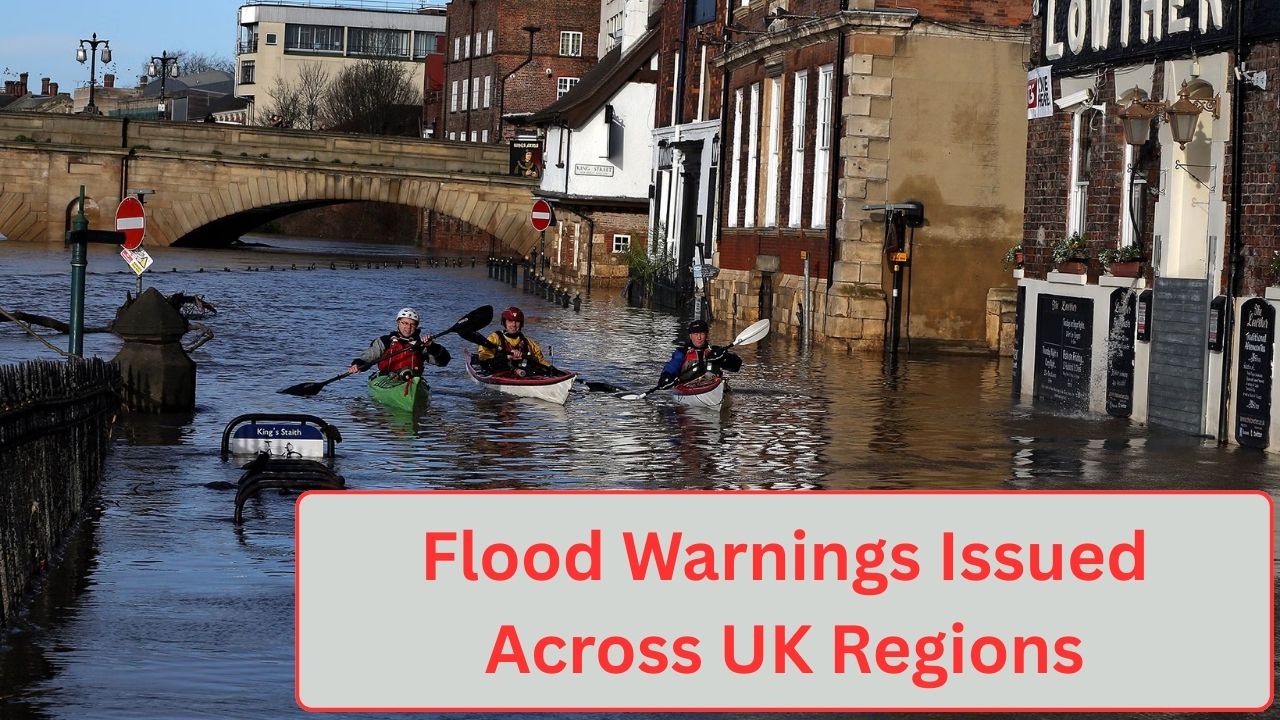
Heavy rain and rising river levels have prompted flood warnings across multiple UK regions, catching many households off guard as weather conditions shift rapidly. For some communities, surface water is already pooling on roads and fields. For others, the concern is what comes next — swollen rivers, overwhelmed drainage, and travel disruption.
Flood warnings are not issued lightly. When they appear, it signals a real risk to homes, transport, and safety, even if flooding has not yet reached doorsteps.
What the Flood Warnings Mean
Flood alerts and warnings are issued when rainfall, river levels, or tidal conditions reach critical thresholds.

In the current situation, warnings indicate:
- Rivers and streams rising quickly after sustained rainfall
- Drainage systems struggling to cope
- Increased risk of flooding to low-lying areas
- Potential impacts to roads, rail, and local services
Monitoring and warnings are coordinated by the Environment Agency, working with local authorities and emergency services.
Areas Most at Risk
While conditions vary by region, flood warnings typically affect:

- Communities near rivers and floodplains
- Low-lying urban areas with poor drainage
- Rural areas with saturated ground
- Coastal and estuary-adjacent locations during high tides
Even places that rarely flood can be affected when rainfall falls faster than water can drain away.
Why Flood Risk Is Higher Right Now
Several factors are contributing to the elevated risk:
Saturated Ground
Soil in many parts of the UK is already holding large amounts of water, meaning additional rain runs straight into rivers and drains.

Intense Rainfall Bursts
Short periods of heavy rain can overwhelm drainage systems faster than steady rainfall.
Seasonal River Levels
Some rivers are already running high for the time of year, leaving little capacity for extra water.
What Residents Should Do Immediately
Authorities urge residents in affected areas to take warnings seriously.

Key steps include:
- Check local flood warnings regularly
- Avoid driving through floodwater, even if it looks shallow
- Move valuables and important documents upstairs if possible
- Prepare a basic emergency kit (medication, torch, phone charger)
- Plan alternative travel routes
Floodwater can rise quickly, especially overnight.
Impact on Travel and Services
Flood warnings often lead to:

- Road closures and diversions
- Rail delays or suspended services
- Bus route changes
- Disruption to school transport and deliveries
Even light flooding can cause significant knock-on effects during peak travel times.
What Authorities Are Saying
Officials stress that warnings are preventative, not alarmist.
An Environment Agency spokesperson said flood warnings are issued “to give people time to act and protect themselves,” adding that conditions can change rapidly and residents should stay alert even if flooding hasn’t yet occurred.

Local councils have also urged people not to underestimate moving water, noting that many flood-related injuries happen in vehicles.
Why Flood Warnings Feel More Frequent
Many residents feel flood warnings are becoming more common — and they’re not wrong.
Contributing factors include:

- More intense rainfall events
- Urban expansion reducing natural drainage
- Ageing infrastructure
- Climate-related weather volatility
As a result, warnings are issued earlier and more often to reduce harm.
What Happens If Conditions Worsen
If rainfall continues or river levels rise further:
- Flood warnings may be upgraded
- Emergency response teams may be deployed
- Temporary evacuation advice could be issued in extreme cases
Staying informed is critical, especially overnight.

Bottom Line
Flood warnings across UK regions signal a real and immediate risk, even if flooding hasn’t reached homes yet.
With ground already saturated and rainfall continuing, conditions can change quickly. Taking simple precautions now — staying informed, avoiding floodwater, and preparing your household — can significantly reduce risk. When it comes to flooding, early action matters.
Frequently Asked Questions (Q&A)
1. What’s the difference between a flood alert and a warning?
Alerts mean flooding is possible; warnings mean it’s expected.
2. Should I evacuate immediately?
Only if advised by authorities.
3. Is it safe to drive through shallow floodwater?
No — it’s more dangerous than it looks.
4. How fast can floodwater rise?
Very quickly, especially after heavy rain.
5. Are urban areas at risk too?
Yes — surface water flooding is common.
6. Do flood warnings apply overnight?
Yes — risk can increase while people are asleep.
7. Can flooding affect utilities?
Yes — power and water disruption is possible.
8. Are these warnings linked to climate change?
Experts say changing weather patterns play a role.
9. Should I move my car?
Yes — move it to higher ground if possible.
10. Are insurance claims affected by warnings?
Policies vary — early action helps documentation.
11. How long do warnings last?
Until water levels fall and risk subsides.
12. Can warnings change quickly?
Yes — they can be upgraded or downgraded.
13. Are pets at risk?
Yes — include them in emergency planning.
14. Should I check on neighbours?
Yes — especially elderly or vulnerable people.
15. What’s the safest mindset?
Prepare early and don’t wait for water at the door.










Leave a Comment