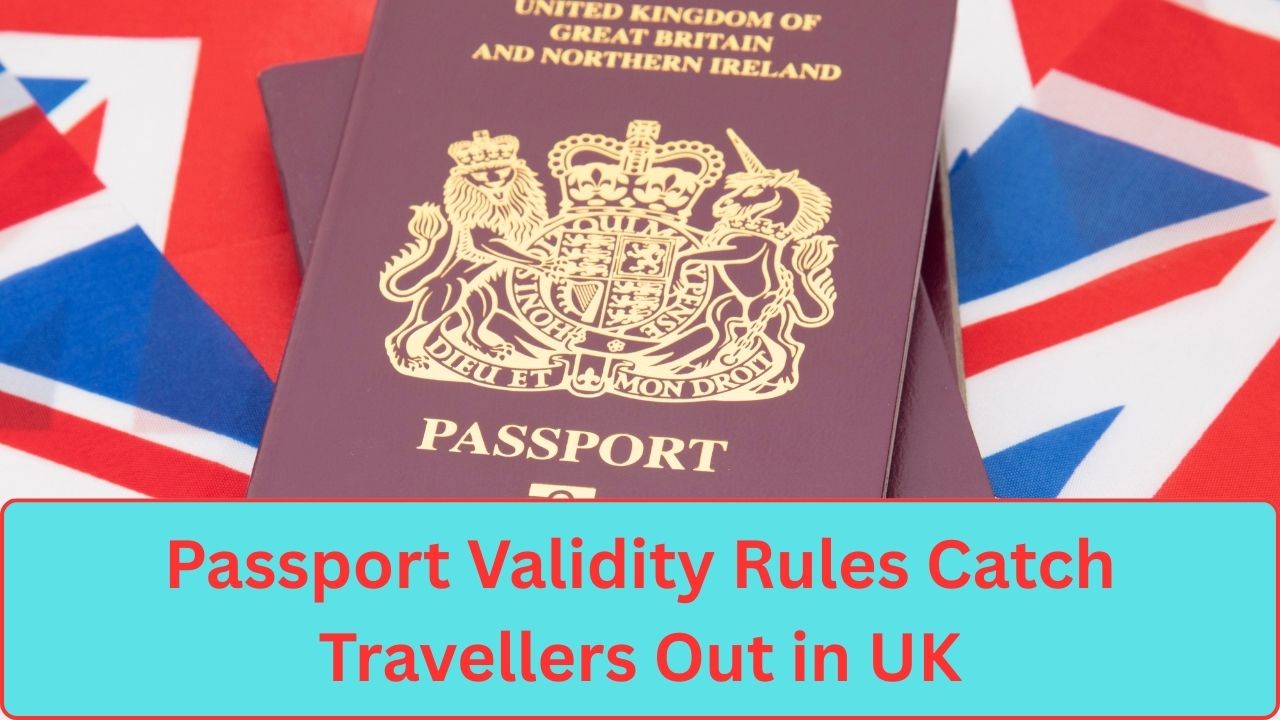
For many UK travellers, the shock comes too late. Bags packed, boarding pass ready — then a quiet check at the airport desk ends the trip before it begins. In 2026, passport validity rules are catching thousands of British travellers off guard, with people denied boarding despite holding what they believe is a “valid” passport.
The problem isn’t expired passports. It’s how validity is counted, especially for travel to Europe and beyond. And for many, the rules are far stricter than they realise.
The Rule Catching UK Travellers Out
The most common issue is insufficient remaining validity on the passport — even when the passport hasn’t technically expired.

Since the UK left the EU, many destinations now require that a British passport must:
- Be less than 10 years old on the day you enter, and
- Have at least 3 months remaining on the day you leave the country
Fail either test, and airlines can legally refuse boarding.
Why This Changed After Brexit
Before Brexit, UK passports issued early often had extra months added to their validity. That practice no longer works for travel to the EU and Schengen countries.

Now:
- Any passport issued more than 10 years before your travel date may be invalid
- Extra months added during renewal don’t count
- The clock starts from the issue date, not the expiry date
Border checks are enforced by destination countries, with UK oversight involving UK Border Force and passport issuance handled by HM Passport Office.
Destinations Where UK Travellers Are Most Affected
These rules commonly affect travel to:

- EU and Schengen countries
- Popular holiday destinations in Europe
- Some non-EU countries with strict entry rules
Airlines enforce the rules strictly because they face fines if they transport passengers who are refused entry.
Why Travellers Assume Their Passport Is Fine
Many people make the same assumptions:
- “It hasn’t expired yet”
- “I renewed early, so I should be covered”
- “It was valid last year”
Unfortunately, passport validity rules can change by destination, and a passport accepted on one trip may be rejected on the next.

How Airlines Apply the Rules
Airlines do not have discretion here.
If your passport doesn’t meet the destination’s requirements:
- Boarding can be refused immediately
- Tickets may be forfeited
- Insurance may not cover the loss
Airline staff rely on strict databases and cannot override them, even for short trips.

Real Impact on Travellers
Travel agents report:
- Family holidays cancelled at check-in
- Elderly travellers missing long-planned trips
- Significant financial losses
- Emotional distress at airports
The frustration is often compounded by discovering the issue only hours before departure, when it’s too late to fix.
Why This Is Happening More in 2026
Several trends are increasing the problem:

- More post-Brexit travel rules now fully enforced
- Increased automated checks at airports
- Busy travel seasons reducing flexibility
- Passports issued during renewal backlogs now hitting age limits
As travel rebounds, enforcement has tightened.
What the Government Says
Officials consistently advise travellers to check passport validity well in advance.
HM Passport Office guidance emphasises that travellers must ensure their passport meets the entry requirements of the country they’re visiting — not just that it’s in date.

Airlines and border authorities are under no obligation to allow travel if those requirements aren’t met.
What UK Travellers Should Check Before Booking
Before you book or travel:
- Check the issue date on your passport
- Confirm it will be less than 10 years old on entry
- Ensure 3+ months remain after your return date
- Check destination-specific rules, especially outside the EU
- Renew early if there’s any doubt
If you’re within six months of the limit, many experts advise renewing.

What This Is Not
To be clear:
- This isn’t a new passport fee
- It’s not a random airline rule
- It’s not about expired passports
- It’s not discretionary
It’s about entry rules set by destination countries, enforced strictly.
Bottom Line
UK passport validity rules are catching travellers out in 2026 because “in date” no longer means “good to go.”
The combination of the 10-year rule and minimum remaining validity has turned passports into a common travel barrier. For UK travellers, checking validity months — not weeks — before travel is now essential. A single overlooked date can cost an entire trip.
Frequently Asked Questions (Q&A)
1. Can I travel if my passport hasn’t expired?
Not always — issue date and remaining validity matter.
2. What is the 10-year rule?
Your passport must be under 10 years old on entry.
3. How much validity do I need left?
Usually at least 3 months after you leave.
4. Does early renewal extend validity?
No — extra months don’t count.
5. Are airlines strict about this?
Yes — they must be.
6. Does this apply to all countries?
Rules vary by destination.
7. Can airport staff make exceptions?
No.
8. Will travel insurance cover this?
Often no — check your policy.
9. Are children affected?
Yes — rules apply to all travellers.
10. Can I renew urgently?
Sometimes, but not same-day.
11. Does this affect EU travel only?
Mostly, but other countries have similar rules.
12. Where do I check requirements?
Official government travel advice.
13. Is this new in 2026?
No — but enforcement is stricter.
14. What’s the safest approach?
Renew if you’re unsure.
15. Biggest mistake travellers make?
Assuming “not expired” means valid.










Leave a Comment