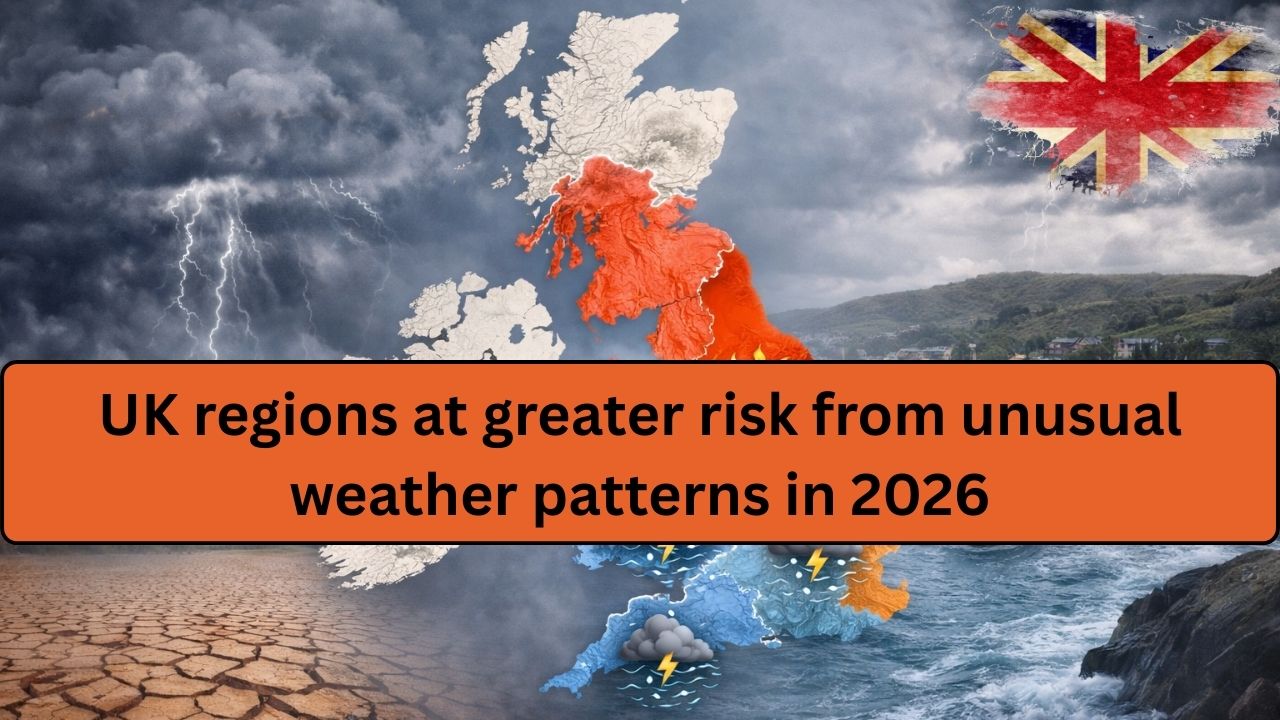
Across the UK, the weather is no longer behaving as it once did. Seasons are shifting, extremes are becoming more common, and communities that rarely worried about flooding, heat, or storms are now finding themselves repeatedly on alert. As 2026 approaches, climate experts and emergency planners are increasingly focused on specific UK regions facing heightened risk from unusual weather patterns.
For households, local authorities, and vulnerable residents, understanding where these risks are greatest is becoming just as important as knowing what might happen.
Here’s a clear look at the UK regions most exposed to unusual weather in 2026, why they are at risk, and what residents should be aware of.

What’s Driving Unusual Weather in the UK
Unusual weather patterns are being shaped by several overlapping factors:
- Warmer average temperatures
- Increased atmospheric moisture
- Shifting jet stream behaviour
- Warmer seas surrounding the UK
- More frequent extreme weather events
Together, these changes are leading to more intense rainfall, stronger storms, longer heatwaves, and sharper cold snaps, often occurring outside traditional seasons.
Regions Facing the Highest Risk in 2026
South East England — Heatwaves and Water Stress
The South East is expected to remain the UK’s most heat-exposed region in 2026.

Key risks include:
- More frequent summer heatwaves
- Prolonged dry spells
- Water shortages and hosepipe bans
- Heat stress for older adults and urban residents
Dense urban areas amplify heat through the “urban heat island” effect, making night-time temperatures especially challenging.
Midlands — Flash Flooding and Storms
The Midlands is increasingly vulnerable to sudden, intense rainfall.

Risks include:
- Flash flooding after short downpours
- Overwhelmed drainage systems
- Transport disruption
- Localised storm damage
Because much of the Midlands is inland, flooding often occurs far from major rivers, catching residents off guard.
Northern England — Flooding and Severe Rainfall
Parts of northern England continue to face repeated flood risk.

Key concerns:
- Rivers responding quickly to heavy rainfall
- Saturated ground increasing surface flooding
- Disruption to housing, rail, and road networks
- Higher insurance pressures
Communities that experienced flooding in recent years are considered particularly exposed going into 2026.
Wales — Prolonged Rain and Landslide Risk
Wales is expected to see higher-than-average rainfall intensity.

Risks include:
- River and surface flooding
- Landslides in hilly and rural areas
- Road closures and infrastructure strain
- Agricultural disruption
Steep terrain and saturated soil make some areas especially vulnerable during prolonged wet periods.
Scotland — Storms and Coastal Impacts
Scotland faces growing exposure to strong storms and coastal weather.

Key threats include:
- Powerful windstorms
- Coastal flooding and erosion
- Disruption to ferry services and rural transport
- Power outages during extreme weather
Western and northern coastal areas are particularly at risk due to exposure to Atlantic weather systems.
South West England — Coastal Flooding and Heavy Rain
The South West combines coastal exposure with intense rainfall.

Risks include:
- Coastal flooding during storms
- Cliff erosion
- Heavy rainfall overwhelming drainage
- Disruption to tourism and transport
Warmer seas may also intensify storm systems affecting the region.
Why These Risks Matter More in 2026
What makes 2026 especially concerning is not just the presence of extreme weather — but its frequency and unpredictability.

Key challenges include:
- Events happening outside expected seasons
- Faster onset, leaving less time to prepare
- Repeated impacts on the same communities
- Strain on emergency services and infrastructure
Vulnerable groups, including older adults, renters, and low-income households, are often hardest hit.
What the Government and Local Authorities Are Saying
Officials acknowledge that the UK is entering a period where weather resilience is critical.
Key priorities include:
- Improving flood defences
- Strengthening heat-health plans
- Upgrading drainage and infrastructure
- Expanding early warning systems
However, local authorities warn that preparedness varies widely by region.
What Residents Should Know and Do Now
People living in higher-risk areas are encouraged to:
- Understand local flood or heat risk
- Sign up for weather alerts
- Review insurance coverage
- Prepare emergency plans
- Check on vulnerable neighbours
Being informed can significantly reduce the impact of extreme weather.
Q&A: UK Unusual Weather Risks 2026
1. Is unusual weather becoming more common in the UK?
Yes, extreme events are occurring more frequently.
2. Which region faces the highest heat risk?
South East England.
3. Where is flooding most likely?
Northern England, Midlands, and parts of Wales.
4. Are coastal areas more at risk?
Yes, especially in Scotland and the South West.
5. Will storms be stronger in 2026?
They are expected to be more intense and disruptive.
6. Are cities affected differently?
Urban areas experience higher heat and surface flooding.
7. Does this affect insurance costs?
Yes, especially in flood-prone areas.
8. Are rural areas safer?
Not always — landslides and isolation increase risk.
9. Is winter weather still a concern?
Yes, including sudden cold snaps and storms.
10. Are warning systems improving?
Yes, but rapid events still pose challenges.
11. Who is most vulnerable?
Older adults, children, and low-income households.
12. Can individuals reduce risk?
Preparation and awareness make a real difference.
13. Are these risks permanent?
They are expected to continue long term.
14. Will all regions be affected equally?
No, impacts vary significantly.
15. What’s the biggest change compared to the past?
Unpredictability and intensity.










Leave a Comment