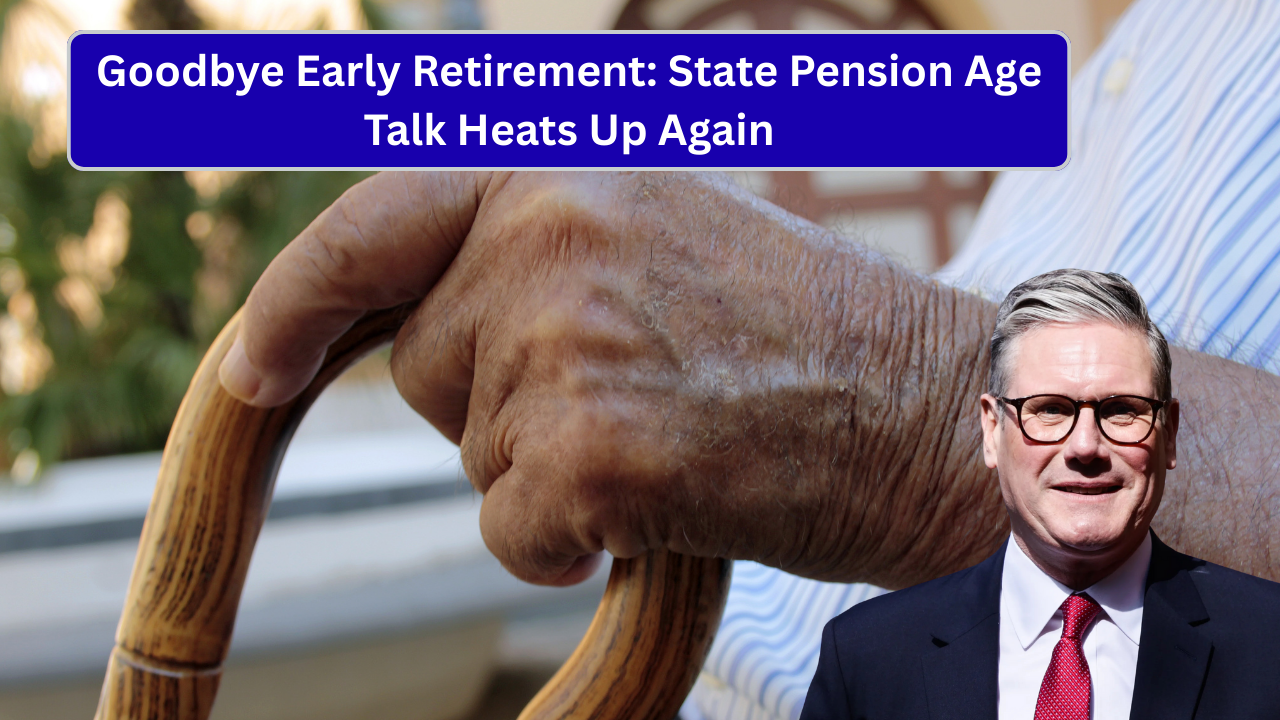
For many workers approaching their 60s, the idea of retiring early is starting to feel less realistic. In 2026, renewed debate around the UK State Pension age is fuelling concern, confusion, and anxiety — especially among those who had planned their futures around long-standing expectations.
While no immediate change has been confirmed, discussion at government level has intensified, and the direction of travel is clear: people may be expected to work longer before qualifying for the State Pension.
Who Decides the State Pension Age
The State Pension age is set by the UK government and administered by the Department for Work and Pensions.

Any changes must go through:
- A formal government review
- Parliamentary approval
- Long transition periods
That means no sudden overnight shifts — but planning assumptions are already changing.
Where the State Pension Age Stands Now
As of 2026:

- The State Pension age is 66 for most people
- It is scheduled to rise to 67 over the coming years
- Further increases are under active review, not yet confirmed
People born in different years face different pension ages, which is one reason confusion remains high.
Why the Debate Has Heated Up Again
Several pressures are driving the renewed discussion:
- People are living longer
- Fewer workers are supporting more retirees
- State Pension costs continue to rise
- Public finances remain under strain
Policy experts argue that without change, the system becomes harder to sustain long term.

A pensions analyst said:
“The question isn’t whether the State Pension age will rise again — it’s when and how gradually.”
What “Goodbye Early Retirement” Really Means
The debate doesn’t mean:

- The State Pension age is changing tomorrow ❌
- Everyone will suddenly have to work until 70 ❌
What it does mean:
- Early retirement without State Pension support is becoming more common
- More people must bridge longer gaps using savings or private pensions
- Retirement planning now needs to account for later State Pension access
For many, retiring before State Pension age now requires significant private resources.
Who Is Most Concerned
The groups feeling the pressure most include:

- Workers in physically demanding jobs
- People with health issues
- Those with limited private pensions
- Self-employed workers
- People who planned retirement years ago under older assumptions
For these groups, even a small delay in pension age can have major consequences.
What Has Not Been Decided
Despite speculation:
- No new State Pension age has been confirmed
- No official timetable beyond current plans is set
- No individual notices have been issued
- Existing pension ages remain valid for now
Any future change would be announced years in advance.

Real Experiences From Workers
Paul, 61, from Sunderland, said the uncertainty is unsettling.
“I’ve always worked towards retiring at a certain age. Now it feels like the goalposts keep moving,” he said.
Linda, 64, from Bristol, is adjusting plans.

“I’ve accepted I may need to work part-time longer just to cover the gap,” she explained.
What Workers Should Do Now
If you’re planning retirement:
- Check your State Pension age using official tools
- Review your State Pension forecast
- Assess how long your private savings must last
- Consider phased or part-time retirement
- Avoid relying on assumptions made years ago
Flexibility is becoming a key part of retirement planning.

Early Retirement vs State Pension Reality
| Retirement Plan | Reality in 2026 |
|---|---|
| Retire at 60 | No State Pension support |
| Retire at 65 | Gap before pension |
| Retire at State Pension age | Full eligibility |
| Retire earlier | Requires private funding |
Understanding this gap is essential.
Q&A: State Pension Age Debate 2026
1. Is the State Pension age changing now?
No.
2. Is another rise being discussed?
Yes.
3. Has anything been confirmed?
No.
4. Will changes happen suddenly?
No.
5. Does this affect everyone?
Future retirees more than current pensioners.
6. Is early retirement still possible?
Yes, but without State Pension income.
7. Are manual workers affected more?
Often, yes.
8. Can health issues change pension age?
Generally no.
9. Should I delay retirement plans?
You should review them.
10. Are notices sent individually?
No.
11. Is this about saving money?
Yes, partly.
12. Will private pensions replace the State Pension?
No.
13. Is this the first time age has risen?
No.
14. Can plans change again?
Yes.
15. What’s the key message?
Early retirement is becoming harder to fund, and ongoing debate about the State Pension age means planning must be based on current rules — not assumptions from the past.









Leave a Comment