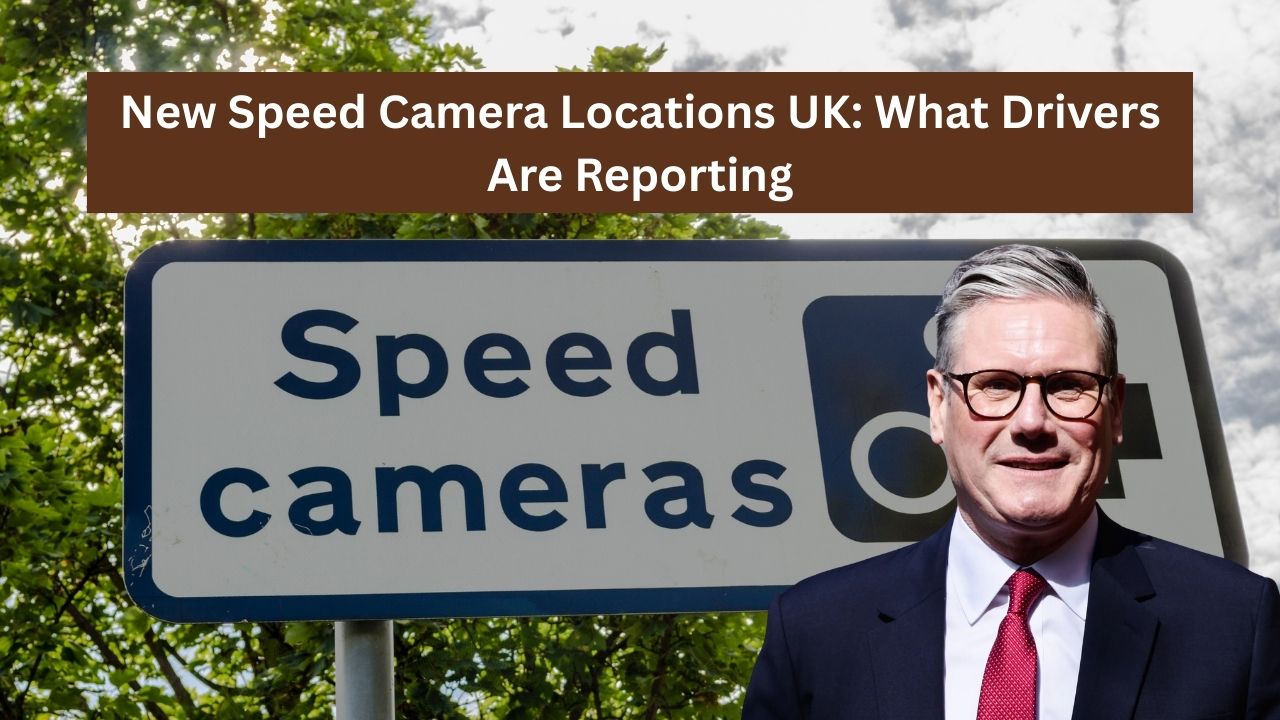
Across the UK, drivers are reporting a surge in new speed camera locations appearing on everyday routes — from commuter corridors to residential roads. While officials describe the rollout as routine road safety work, motorists say the pace and placement of cameras in 2026 feels different: quieter, faster, and easier to miss.
The result? More drivers are being caught unaware, receiving fines days later for limits they didn’t realise had changed or enforcement they didn’t expect.
Here’s what drivers are reporting, why cameras are appearing where they are, and what motorists should watch for now.

Where Drivers Say New Cameras Are Appearing
Reports from motorists and local forums suggest a clear pattern in 2026.
Common locations include:
- Roads near schools and hospitals
- Busy commuter routes with frequent congestion
- Residential streets recently changed to 20mph limits
- Approaches to roadworks and temporary speed zones
- Accident-prone junctions and stretches with prior warnings
Many drivers say cameras are being installed without major publicity, relying instead on standard signage.

Why the Rollout Feels Different in 2026
Transport authorities say the expansion is part of long-term safety planning rather than a sudden crackdown.
The strategy is supported nationally by the Department for Transport, with enforcement handled locally by police forces and councils.
Key reasons behind the rollout include:

- Increased use of average-speed and digital cameras
- Cheaper, faster installation technology
- Focus on casualty reduction rather than visibility
- Enforcement of new 20mph and variable speed zones
A road safety officer said, “Drivers shouldn’t rely on spotting cameras. The expectation is compliance with limits at all times.”
What Types of Cameras Drivers Are Seeing
Motorists report a mix of old and new enforcement methods.
In 2026, drivers are encountering:

- Fixed yellow box cameras
- Average-speed camera pairs
- Pole-mounted digital cameras
- Temporary mobile camera vans
- Cameras integrated with smart traffic systems
Unlike older units, some newer cameras are smaller and less conspicuous, blending into existing street furniture.
Real Stories From UK Drivers
In Birmingham, commuter Alex said a newly enforced 20mph road caught him out.
“I’ve driven that route for years,” he said. “The limit changed, the camera went up, and I didn’t notice until the fine arrived.”

In Kent, delivery driver Mark said average-speed cameras altered his routine.
“You can’t slow down at the last second anymore,” he said. “It’s watching you the whole way.”
What Police and Councils Are Saying
Local authorities insist cameras are installed based on data, not revenue.

A council spokesperson said new cameras are typically approved after:
- Speed compliance studies
- Collision or near-miss data
- Community safety requests
- Previous warning measures failing
Police forces also stress that signage is legally required — even if drivers feel it’s easy to miss.
Expert Insight: Why More Drivers Are Getting Caught
Road safety experts say technology has changed the balance.

Key factors include:
- Drivers relying on familiarity rather than signs
- Limits changing faster than habits adjust
- Average-speed enforcement removing “braking points”
- Less visible cameras reducing driver awareness
Experts warn that relying on satnav alerts or memory is no longer enough.
What Drivers Should Do Now
To avoid unexpected fines, advisers recommend:

- Watching closely for limit change signs, especially 20mph zones
- Assuming average-speed enforcement on roadwork routes
- Avoiding “flow of traffic” speed assumptions
- Checking local council traffic updates
- Treating unfamiliar roads with extra caution
In 2026, enforcement is designed to be consistent — not obvious.
Questions Drivers Are Asking
Are new cameras announced publicly?
Sometimes, but often only through council notices.
Do cameras have to be clearly visible?
They must be signed, but not highly visible.
Are 20mph cameras increasing?
Yes, particularly in residential areas.
Do satnav alerts always update?
No — they can lag behind changes.
Are average-speed cameras permanent?
Some are, others are long-term temporary.
Can fines arrive weeks later?
Yes, especially with digital enforcement.
Are mobile vans still used?
Yes, alongside fixed cameras.
Do cameras allow any margin?
Enforcement thresholds exist but aren’t published.
Can you appeal if you didn’t notice?
Not usually — signage compliance is the key test.
Is this about revenue raising?
Authorities say no — safety data drives placement.
Why This Matters for UK Drivers
In 2026, speed enforcement in the UK is less about spotting cameras and more about expecting them. As limits change and technology improves, drivers relying on habit are the ones most likely to be caught out.
The safest assumption now is simple: if a limit has changed, enforcement probably isn’t far behind.










Leave a Comment