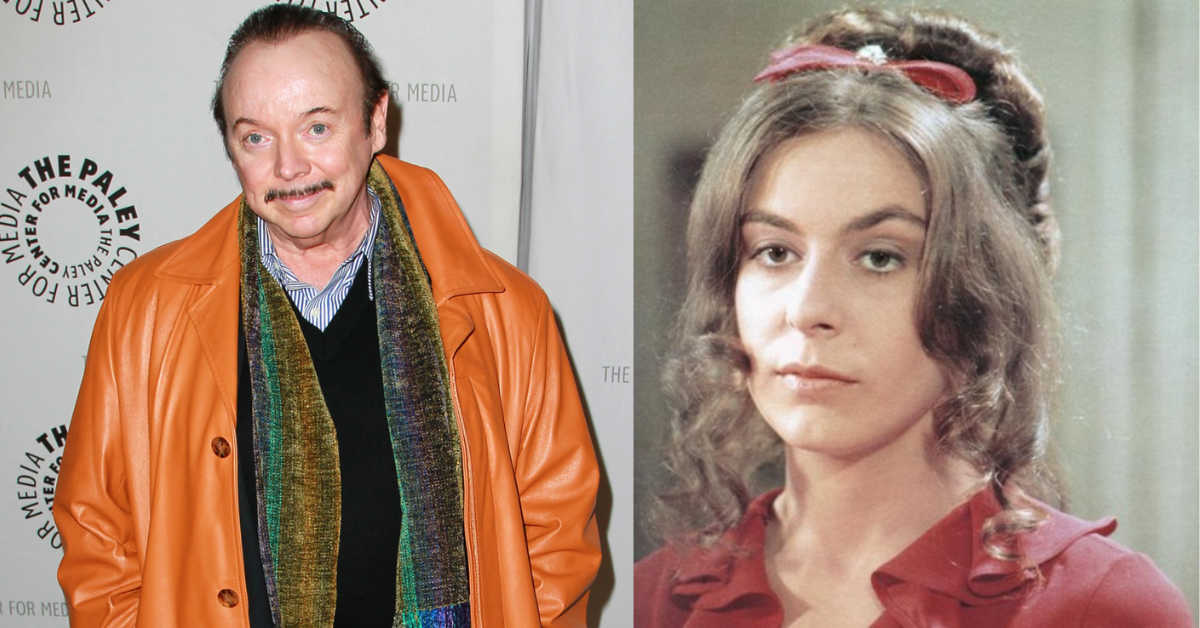
Bud Cort — born Walter Edward Cox on March 29, 1948, built a career on a quietly singular presence: awkwardly funny, gently odd, impossible to forget.
He rose to lasting fame as the title character in Harold and Maude, a performance that brought him Golden Globe and BAFTA nominations and set the tone for five decades of eclectic work in film, television, and voice acting.
Cort died on Feb. 11, 2026, at age 77 after a long illness. He leaves behind a body of work that kept him visible to generations of fans, even as he kept his personal life largely private.
Cort was never married. He addressed his approach to relationships with a line that captures his balance of humor and reserve: “I date. But I’m single. I’m married to my career.”
That private streak meant the details of his romantic life were sparse, but it did include a few notable chapters that fit comfortably beside his professional one.
As a teenager in New York, Cort teamed up with Jeannie Berlin, the daughter of Elaine May, to write and perform comedy routines at Manhattan’s Upstairs at the Downstairs.

The partnership was creative and formative: the two young performers honed timing and bits in front of small audiences, a low-key start that prefigured Cort’s theatrical instincts on screen.
Those early nights in clubs and off-Broadway rooms are part of the backstory to a comic sensibility that never felt forced or fussy.
In the early 1970s, Cort dated actress Patti D’Arbanville for a time. The relationship didn’t last, but sources and later photographs suggest the two remained on friendly terms through the years.
Cort’s circle included fellow actors and writers; he favored collaborations and professional ties that reflected mutual respect rather than tabloid drama.
Over the years, rumors surfaced, notably whispers linking him to Carol Kane, but those stories were never substantiated.

Cort’s life beyond the camera tended to stay out of the spotlight by design. He acknowledged dating in interviews, but he rarely named names, preferring instead to let interviews and roles speak for him.
His screen career, by contrast, was open and wide-ranging. After Harold and Maude made him a cult figure, Cort worked steadily.
He appeared in films from MASH* and Brewster McCloud to later roles in Dogma and The Life Aquatic with Steve Zissou, and he lent his voice to animated shows including Superman: The Animated Series and Justice League Unlimited.
He turned character parts, oddballs, dreamers, comic foils, into memorable sketches of humanity. Even when his work moved between mainstream features and smaller projects, Cort remained a recognizable presence.
His life included hardship, too. A near-fatal car accident in 1979 left him seriously injured and altered the course of his career in ways that were never fully in the public eye.
The recovery and aftermath reportedly slowed the momentum he’d built in the 1970s, but Cort continued to work, finding roles that suited his sensibility and a new generation of directors who appreciated his distinct tone.
Those who followed Cort’s career saw an actor who remained engaged with his craft right up to his later years.
He was modest about fame and careful about privacy; friends and collaborators remembered a professional who preferred the work to the gossip.
Family details were kept quiet, and public notices at his death indicated he was survived by siblings and extended family members rather than a spouse or long-term partner.

Cort’s legacy is complicated in the best way: small, idiosyncratic films and offbeat roles that influenced other performers and linger in the cultural memory.
He left behind a handful of lines and images that sum up his career’s charm, the oddball sincerity, the deadpan delivery, the sense that he belonged to neither the broad comic tradition nor the flat dramatic one, but instead to a narrow, memorable middle.
He once said, in essence, that his commitment to acting was the choice he’d made. That choice produced an unmistakable set of performances and a life lived deliberately, on his own terms.

Cort’s death prompted the usual round of tributes from colleagues and fans who admired the way he could make an awkward moment feel alive and humane.
He never married, but through work and those early collaborations, with Jeannie Berlin and others, he built the kind of professional life that, for him, seemed to be the closest thing to a permanent union.





Leave a Comment