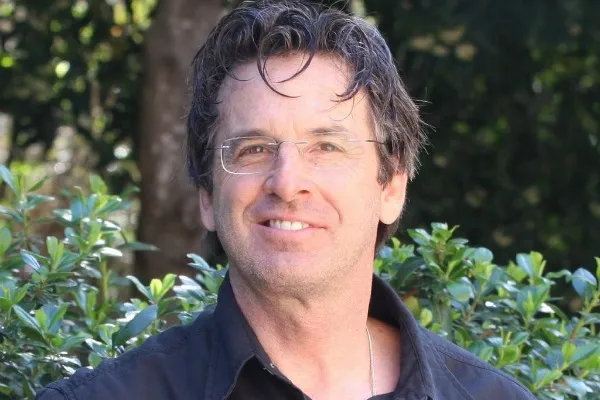
The family of Robert Carradine confirmed that the actor died on February 23, 2026, and said his death followed a long struggle with bipolar disorder rather than an accidental cause.
The disclosure came in a family statement provided to Deadline and reported widely by major outlets, which said Carradine “took his own life” after nearly two decades battling the mood disorder.
Carradine, best known for his role as Lewis Skolnick in Revenge of the Nerds and later as a father figure on the Disney Channel series Lizzie McGuire, enjoyed a career that spanned five decades and multiple generations of viewers.

In the family statement and in subsequent interviews, relatives framed his death not as an isolated accident but as the tragic endpoint of a prolonged mental-health battle they hoped would spur greater public understanding and reduce stigma.
Keith Carradine, Robert’s elder brother, spoke publicly about the family’s decision to be open about the actor’s struggles, saying there was “no shame” in mental illness and praising his brother’s talent and compassion.
The family asked for privacy as they grieve and for people to remember Robert for his work and warmth rather than the manner of his death.

The revelation refocused attention away from earlier speculation and isolated incidents in Carradine’s life and toward the longer arc of his health.
Public accounts note that Carradine had previously spoken about the impact of family tragedies on his mental health; his relatives and colleagues described a man who could be both deeply funny and privately wounded.
Coverage across mainstream outlets reiterated the family’s request that the public treat their loss with sensitivity and that discussions of the actor’s death be framed in ways that talk about mental-health support rather than sensational detail.

Robert Carradine came from a prominent acting family. He was the youngest son of John Carradine and the brother of David Carradine and Keith Carradine, a lineage that made him a familiar face in Hollywood circles and to several generations of film and television viewers.
Individuals covering his death have noted how his career ranged from gritty 1970s films to comedic 1980s hits and family television in the 2000s, giving him a rare cross-generational resonance.
Mental-health advocates and medical experts stress that bipolar disorder is a serious, long-term psychiatric condition associated with heightened suicide risk when left untreated or when crises go unmanaged.
Public-facing conversations sparked by high-profile deaths often lead to renewed calls for funding, improved access to care, and better crisis intervention.
Commentators responding to Carradine’s family statement urged that the discussion focus on prevention, early treatment, and removing stigma so people in similar situations feel able to seek help. (For background on bipolar disorder and suicide risk, reputable sources such as the World Health Organization and national public-health agencies provide guidance and statistics.)

Friends, colleagues and fans reacted quickly on social media and in industry statements, sharing memories of Carradine’s quick wit, professional generosity and the warmth he brought to character roles.
Tributes highlighted both his comic timing in films like Revenge of the Nerds and his quieter, compassionate work later in life; they also echoed the family’s appeal to treat mental illness with compassion rather than judgment.
Several industry peers praised the Carradine family for speaking openly about bipolar disorder, saying it could help others feel less alone.

Why the family spoke now: they said they wanted the truth known and to counter misinformation.
In recent days, various outlets and social posts circulated theories about possible accidental causes and resurrected old, unverified accounts; the family’s clear statement to Deadline intended to close down speculation and center the conversation on the reality of long-term mood disorders.
News organizations that covered the statement noted that the family framed Robert’s life through the twin lenses of artistic achievement and a difficult, decades-long illness.

What readers should know: when public figures die, and mental illness is disclosed, responsible reporting emphasizes verifiable facts, context about health conditions, and signposts to help rather than lurid detail.
The family’s statement asked for privacy and understanding; at the same time, their openness about bipolar disorder contributes to a public conversation that many mental-health professionals say can reduce isolation and encourage people to seek help earlier.
If you or someone you know is struggling with their mental health or contemplating self-harm, contact local emergency services or a suicide-prevention hotline in your country for immediate support. In the United States, the 988 Suicide & Crisis Lifeline is available by calling or texting 988; other nations have their own established helplines.

Robert Carradine’s death closes the curtain on a long, varied career that touched films, television, and the stage, but for his family, it has opened a raw and very personal plea: to treat those with mental illness compassionately and to push for better care and understanding.
As the Carradine family asked, remembering his life and body of work while taking the realities of bipolar disorder seriously may be the most fitting tribute.










Leave a Comment