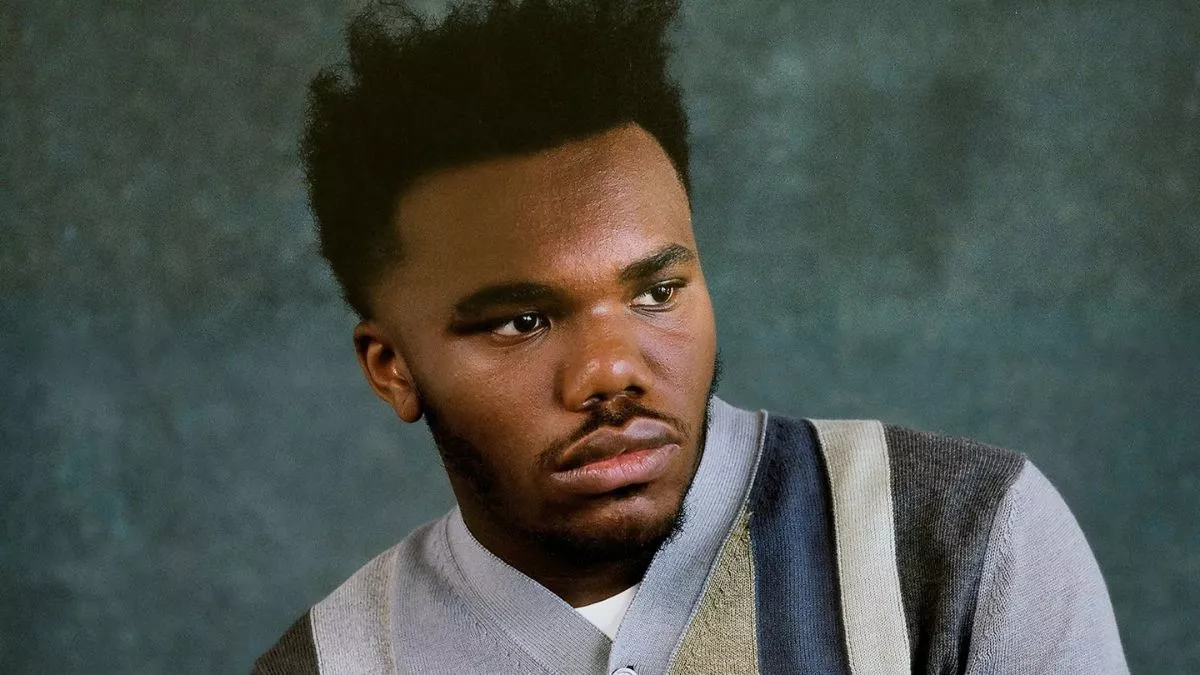
Baby Keem has never shied away from telling difficult truths through his music. Over the years, his lyrics have offered glimpses into a childhood shaped by instability, poverty, and emotional hardship.
One of the most painful chapters of that story centers on his mother, and fans have often wondered: Is Baby Keem’s mom alive?
The answer is heartbreaking. According to recent revelations shared in his new documentary and reflected in his music, Baby Keem’s mother has passed away.
While she was alive during his early career struggles, including the period surrounding his breakout mixtape Die for My Bitch, Keem has since opened up about losing her, marking a deeply emotional turning point in his life.
In his song No Security, Keem delivers some of his most vulnerable lyrics to date, describing a childhood filled with fear, instability, and survival.

He speaks about moments when his mother walked him through the cold without shoes and reveals that during the “Die for My Bitch” era, she was homeless and sleeping in a tent. These lines are not metaphorical; they reflect real experiences that shaped his upbringing and worldview.
His mother reportedly struggled with alcohol, and Baby Keem grew up without a stable parental structure. His father, Hykeem Carter Sr., was not an active figure in his life, leaving much of his upbringing to extended family.
Keem was raised between Long Beach, California, and Las Vegas, Nevada, and spent significant time living with his grandmother, whom he has described as his “second mother.”

That relationship became one of the most grounding forces in his life, offering stability in a childhood marked by eviction, financial hardship, and reliance on food stamps.
Despite these struggles, Baby Keem’s environment was also filled with music.
He has spoken about growing up around family members who were deeply involved in music culture, watching his aunts and uncles burn CDs using LimeWire, and spending time in studios from a young age.
That exposure helped shape his creative identity, even while his personal life remained unstable.
The emotional weight of his mother’s struggles, and later, her death, now sits at the core of his storytelling. Rather than romanticizing pain, Keem presents it plainly: homelessness, incarceration, addiction, and abandonment are portrayed as realities, not symbols.
His lyrics show a child forced to grow up too early, navigating adult problems long before he had the tools to understand them.

For fans, learning that Baby Keem’s mother is no longer alive adds deeper meaning to his recent work. His music is no longer just about ambition and success; it’s also about grief, memory, and unresolved loss.
Lines that once sounded like raw autobiography now carry the weight of finality, the voice of a son reflecting on a mother he can no longer speak to.
Baby Keem’s story is not one of a perfect comeback narrative. It’s a portrait of survival shaped by instability, guided by family resilience, and driven by a need to transform pain into purpose.

His honesty has become one of his defining strengths, and through his music, his mother’s story continues to live on, not as gossip or rumor, but as lived experience, preserved in lyric and memory.









Leave a Comment