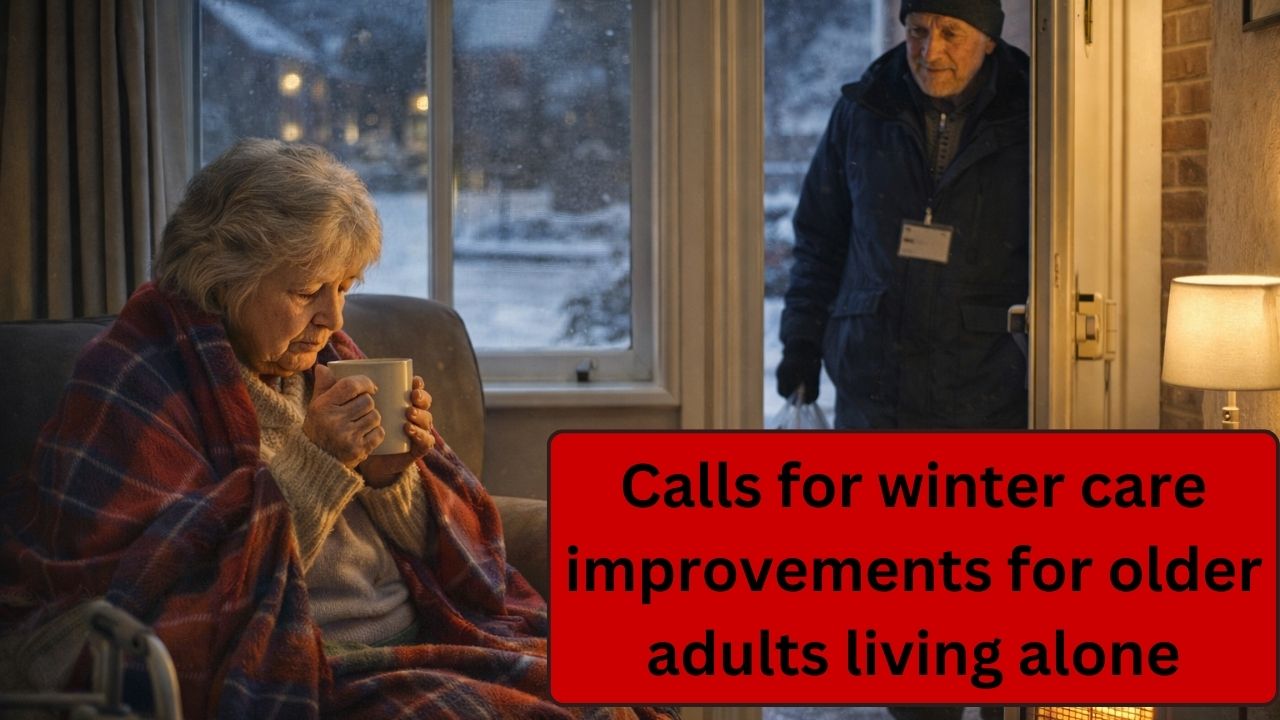
As colder months return, concern is rising across the UK about how well older adults living alone are coping through winter. Charities, health professionals, and community groups are now renewing calls for stronger winter care measures, warning that thousands of pensioners face heightened risks from cold homes, isolation, and delayed support.
For many older people, winter is not just uncomfortable — it can be dangerous.
Why Winter Is Especially Risky for Older Adults Living Alone
Cold weather amplifies existing vulnerabilities. Older adults living alone are more likely to:
- Delay turning on heating due to cost concerns
- Miss early signs of illness
- Have limited access to help during emergencies
- Experience loneliness and mental health decline
Health experts note that cold-related illness, falls, and delayed treatment peak during winter — particularly among those without daily contact from family or carers.
Rising Pressure Despite Existing Support
While winter support schemes exist, campaigners argue they are not enough.
Key concerns include:
- Rising energy bills despite assistance
- Gaps in community outreach
- Overstretched local care services
- Inconsistent support between regions
For pensioners relying mainly on the UK State Pension, heating and food costs can quickly consume weekly income, forcing difficult trade-offs.
What Campaigners Are Calling For
Organisations supporting older people are urging the government and councils to strengthen winter care through:
- Proactive welfare checks for those living alone
- Expanded home heating and insulation support
- Faster access to temporary care and home visits
- Better coordination between health and social services
- Clearer communication about winter entitlements
They argue prevention costs far less than hospital admissions caused by cold-related illness.

The Role of Local Authorities and Health Services
Responsibility for winter care is shared across:
- Local councils
- NHS services
- Community and voluntary organisations
The Department for Work and Pensions provides financial support such as winter-related payments, but frontline care often depends on local capacity — which varies widely.
Health professionals warn that delays in social care support can quickly escalate into medical emergencies during winter.

Real Experiences From Older Adults
Dorothy, 81, lives alone in a rural village.
“I don’t want to bother anyone, but winter nights are long. If something went wrong, I don’t know who would notice.”
Frank, 76, says a simple weekly check-in made all the difference last winter.
“Just knowing someone would call gave me peace of mind.”
These stories underline why advocates say connection is as important as heating.

Energy Costs Remain a Central Issue
Despite support schemes, many older people remain anxious about heating costs.
Campaigners highlight:
- Confusion around eligibility for energy help
- Fear of running up debt
- Older homes that are expensive to heat
Cold homes increase the risk of respiratory illness, heart problems, and mobility issues — particularly for those over 75.

What Has Not Changed
Despite growing concern:
- Winter pressures persist year after year
- Support remains uneven across regions
- Many older adults still do not access all available help
- Living alone continues to increase risk
Advocates say winter planning must become preventive, not reactive.
What Older Adults and Families Can Do Now
While policy debates continue, practical steps include:

- Checking eligibility for winter payments and discounts
- Arranging regular check-ins with neighbours or family
- Contacting local councils about winter wellbeing services
- Ensuring heating systems are serviced early
- Seeking help before problems escalate
Early action can prevent emergencies later.
Common Questions People Are Asking
1. Why are older adults living alone more at risk in winter?
Because isolation increases health and safety risks.
2. Isn’t winter support already available?
Yes, but gaps remain.

3. Are energy costs the main problem?
They’re a major factor, but not the only one.
4. Do councils provide welfare checks?
Some do, but coverage varies.
5. Can families request support?
Yes — early contact helps.
6. Are hospital admissions linked to cold homes?
Yes, consistently.
7. Is loneliness a winter issue?
It worsens significantly in colder months.
8. Will this issue improve soon?
Not without targeted action.
9. Are charities involved?
Yes, but they cannot replace public services.
10. What’s the biggest risk of inaction?
Preventable illness, injury, and loss of independence.
Bottom Line
Calls for winter care improvements for older adults living alone are growing louder as cold-weather risks remain high. While financial support helps, advocates say it must be matched with proactive care, regular contact, and community-based prevention.
For thousands of older people, winter safety isn’t about comfort — it’s about dignity, health, and survival.










Leave a Comment