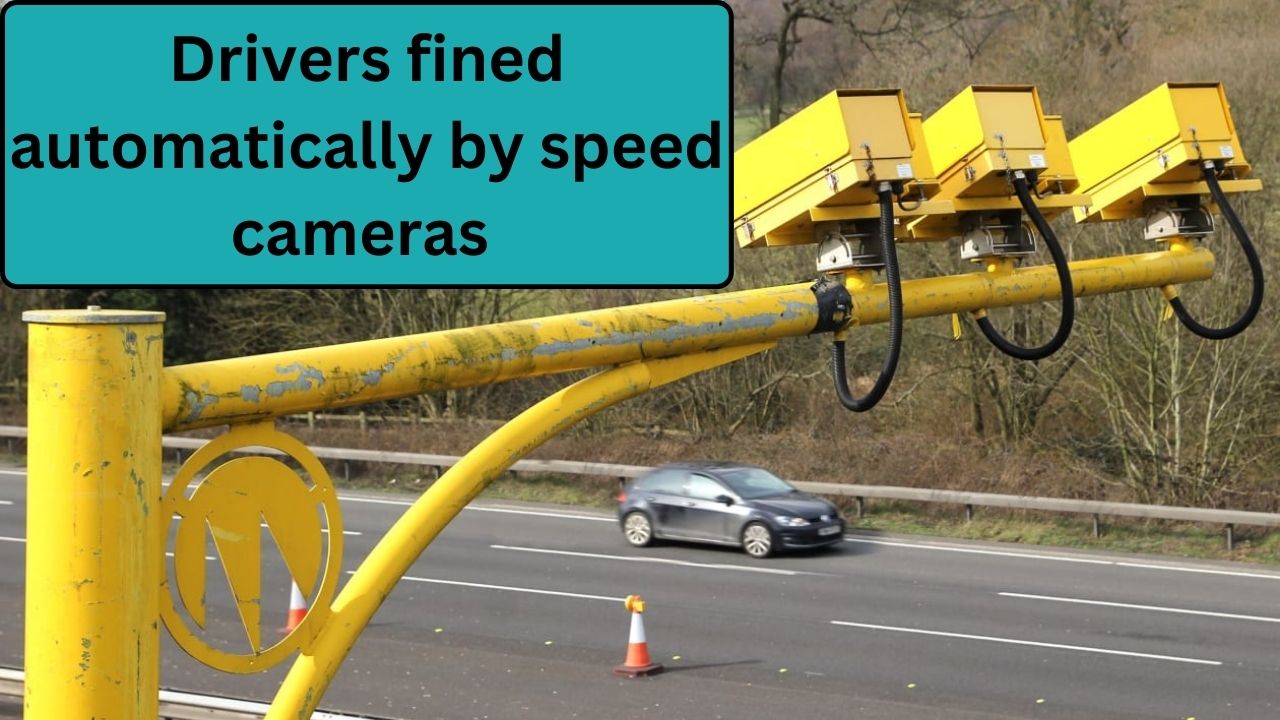
Across the UK, thousands of drivers are being fined without ever being stopped. The reason is simple: automatic speed cameras are now the primary way speeding offences are detected and enforced. For many motorists, the first sign of a problem is a letter arriving days — or even weeks — after the journey.
With enforcement expanding and technology improving, understanding how speed camera fines actually work is essential to avoid costly surprises.
How Speed Cameras Issue Fines Automatically
Speed cameras operate independently of roadside police stops. Once a vehicle exceeds the limit, the system records the offence and triggers a legal process.

Cameras capture:
- Vehicle speed
- Time and location
- Number plate details
That data is matched to DVLA records, and a Notice of Intended Prosecution (NIP) is issued to the registered keeper.
Oversight of speed enforcement policy sits with the Department for Transport, while processing and prosecution are handled locally.

Types of Speed Cameras Used in the UK
Fixed Speed Cameras
Permanent roadside cameras monitoring a specific stretch of road.
Mobile Speed Cameras
Police vans or temporary roadside units deployed in targeted areas.
Average Speed Cameras
Track your speed over a distance, not a single moment. These are common on:

- Motorways
- Roadworks
- Long A-roads
Slowing down briefly will not avoid a fine if your overall average is too high.
What Happens After You’re Caught
Once detected:
- A NIP is sent within 14 days to the registered keeper
- You must identify the driver
- The offence is reviewed
- A penalty is issued
Failing to respond can lead to higher fines and points, even if you weren’t speeding.

Typical Penalties From Speed Cameras
For most drivers, penalties include:
- A £100 fine
- 3 penalty points on your licence
In some cases, drivers may be offered:
- A speed awareness course (instead of points)
- Higher fines and points for more serious excess speeds
- Court prosecution for extreme speeding
Penalties escalate quickly as speed increases.

Why Drivers Are Caught More Often Now
Many motorists say enforcement feels stricter — and in practice, it is.
Reasons include:
- Wider camera coverage
- Improved accuracy and data sharing
- Increased use of average speed systems
- Less reliance on police discretion
Once recorded, offences are processed automatically with little flexibility.

Common Myths That Catch Drivers Out
Despite widespread belief:
- ❌ There is no guaranteed tolerance over the limit
- ❌ Cameras do not only activate at extreme speeds
- ❌ Slowing down at the camera does not avoid average-speed fines
- ❌ “Keeping up with traffic” is not a defence
Speed limits are legally absolute unless signs say otherwise.
Why Older and Occasional Drivers Are Often Surprised
Older drivers and those who drive less frequently are more likely to be caught because:

- Speed limits have changed on many roads
- Road layouts and enforcement zones have expanded
- Cars feel quieter and smoother at higher speeds
- Past habits no longer align with current enforcement
What once resulted in a warning may now result in an automatic fine.
Real Driver Experiences
Brian, 71, received a fine after averaging just over the limit in a roadworks zone.
“I slowed at the cameras — I didn’t realise they were tracking the whole stretch.”
Lisa, a commuter, was caught by a mobile camera.
“There was no van visible. The letter came two weeks later.”

These stories are now routine rather than rare.
What Has Not Changed
Despite online rumours:
- Speed limits have not been relaxed
- Camera evidence remains legally valid
- Fines issued by camera are fully enforceable
- Points still apply to your driving record
Automation hasn’t softened enforcement — it’s standardised it.
What Drivers Can Do to Avoid Fines
- Treat speed limits as exact, not flexible
- Use cruise control where appropriate
- Watch for temporary limits in roadworks
- Assume cameras are active at all times
- Don’t rely on slowing only at visible cameras
Awareness is now the only real protection.
Who Oversees Enforcement and Penalties
Speed enforcement policy is guided nationally, while prosecutions are administered through local police forces and courts, with benefit and driving record implications ultimately interacting with agencies under the Department for Work and Pensions only where fines affect income-based benefits.
Common Questions Drivers Are Asking
1. Can speed cameras fine me automatically?
Yes.
2. Will I always get points?
Usually — unless offered a course.
3. Is there a grace speed allowance?
No official one.
4. Do cameras work 24/7?
Yes.
5. Can I challenge a fine?
Only with strong evidence.
6. Are average speed cameras strict?
Yes — very.
7. Do mobile cameras have to be visible?
No.
8. How long before I’m notified?
Within 14 days for the NIP.
9. Is the fine always £100?
For minor offences — higher speeds cost more.
10. Will enforcement increase?
All signs point to yes.
Bottom Line
UK drivers are being fined automatically by speed cameras because enforcement is now technology-led, consistent, and largely invisible. The rules haven’t softened — and there’s little room for error.
For motorists, especially older or occasional drivers, the safest assumption is simple: if a speed limit exists, it’s being enforced — even if you can’t see the camera.










Leave a Comment