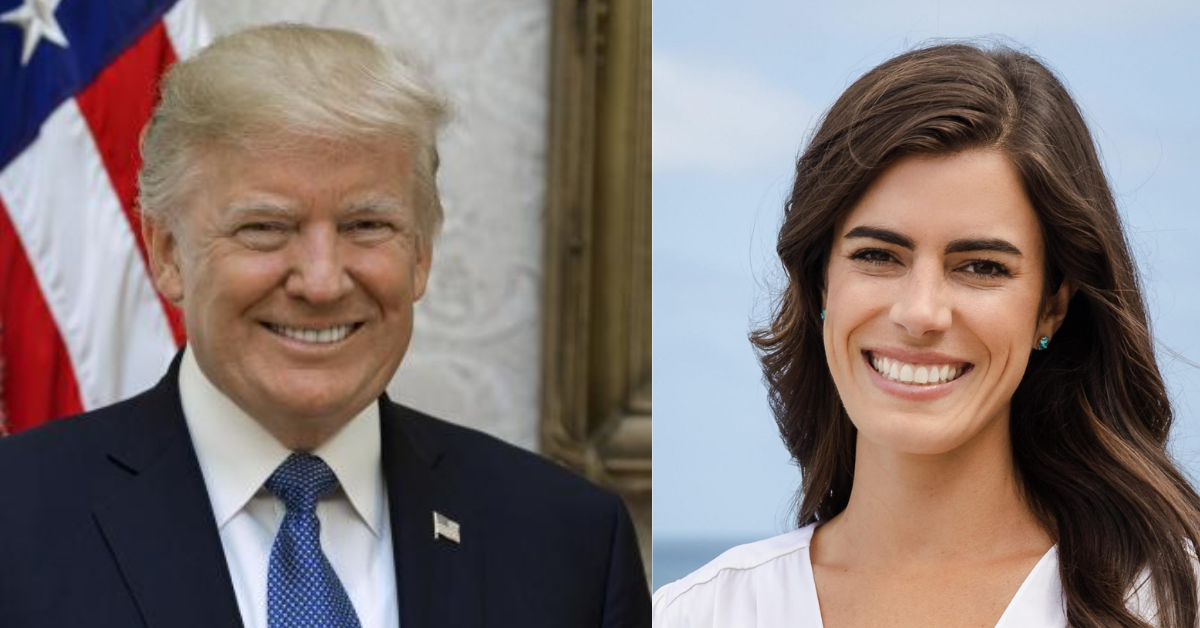
Media outlets and social posts are circulating claims that newly released records tied to Jeffrey Epstein include an exchange in which author Michael Wolff referenced then-President Donald Trump and his former aide Madeleine Westerhout.
The material surfaced among thousands of pages that investigators and lawmakers have reviewed, but the passages being shared online do not, on their own, establish the factual truth of the allegation. Westerhout has denied the suggestion.
The documents in question are part of large troves produced to congressional investigators and other authorities.

Those releases include emails, drafts, notes, and other files; some items are fragmentary or redacted, and many require context to be understood properly.
One cited exchange appears to involve Michael Wolff; reporting shows a draft or email in that exchange included a passage that drew attention when excerpts circulated.
But drafts, off-hand observations, and third-party characterizations are not substitutes for corroborated evidence.

Madeleine Westerhout, who served as President Trump’s personal secretary from 2017 through early 2019 and briefly as Director of Oval Office Operations, has strongly rejected any improper relationship.
Westerhout left the White House in August 2019 after reports that she discussed private family matters with reporters at an off-the-record dinner.

Her lawyer called the recent claims “absurd and defamatory,” and White House spokespeople have also dismissed social-media accounts that treat the excerpts as proof of misconduct.
Mentions of public figures appear throughout the Epstein-related releases, and some passages reference people who were known to have associations with Epstein or his circle.
News organizations and legal experts caution that a name or line in a document does not amount to verified wrongdoing.

Establishing the truth of a claim in these files typically requires confirming the provenance of the document, finding contemporaneous corroboration, and obtaining direct responses from those named.
Reporters handling these files follow a clear method: first, identify the specific document and confirm where it came from; second, seek corroborating material, emails, calendar entries, witnesses, or other contemporaneous evidence.
That supports the claim; third, give those named an opportunity to respond and include those responses in coverage; and fourth, place any excerpt in context so readers can see whether it is a polished account, a draft, an off-hand remark, or hearsay.

Until those steps are completed, the responsible description of a social-media claim is that it is unverified and disputed.
Journalists continue to review the released materials and to ask the same questions: who authored a passage, when it was written, what other documents support its account, and who can confirm or deny its assertions.
At this point, the public record shows that Westerhout’s role in the White House is well documented and that she has denied the allegation.

Beyond that, the files remain a complex body of material that requires careful, corroborated reporting before definitive conclusions can be drawn.
If you’re following this story, look for reporting that names the exact document, cites corroborating evidence, and includes responses from people named in the material.
That is the standard that separates assertion from verified reporting.









Leave a Comment