Longtime viewers noticed the timing, and some jumped to worry: when a high-profile correspondent steps away from a major program after nearly two decades, isn’t illness the obvious explanation?
The short answer is no; there is no verified reporting that Anderson Cooper is currently sick. The public record shows a career recalibration driven by family priorities, not a health crisis.
Cooper is leaving his role as a correspondent on 60 Minutes after almost twenty years to spend more time with his young children.
He will remain on the air at CNN, where he anchors his flagship evening program. Multiple reputable outlets have framed the move in family and scheduling terms; none has reported a recent, serious medical condition.
That does not mean Cooper’s name has never been linked to health items. In 2014, he missed work for an emergency appendectomy, and in April 2022, he tested positive for COVID-19 and sat out broadcasts while he recovered.

He has also openly discussed being diagnosed with dyslexia as a child and credited reading specialists for helping him learn.
Those events are part of his history, but they are resolved and do not amount to evidence of a current illness.
So why do fans panic? Two things drive that reaction: pattern-seeking and social amplifiers.

People see a sudden career adjustment and their minds supply a familiar cause, illness, because it’s a common, emotionally plausible explanation.
Then social platforms amplify fragments: a tired-looking clip, a stilted interview moment, a headline about a job change. Taken together without context, those pieces suggest a narrative that reporting does not support.
Television is also a strange mirror. Lighting, fatigue from travel, the compression of a hectic newsroom schedule, and the cut-and-paste nature of short clips can all create impressions that don’t match reality.

A one-second pause or a drawn face is easy to clip and share; it is much harder to understand what preceded it, a long night of reporting, a flight delay, family logistics.
Responsible coverage waits for confirmation from the person involved or their representatives.
Cooper’s own public remarks and the accounts of colleagues point in a different direction.

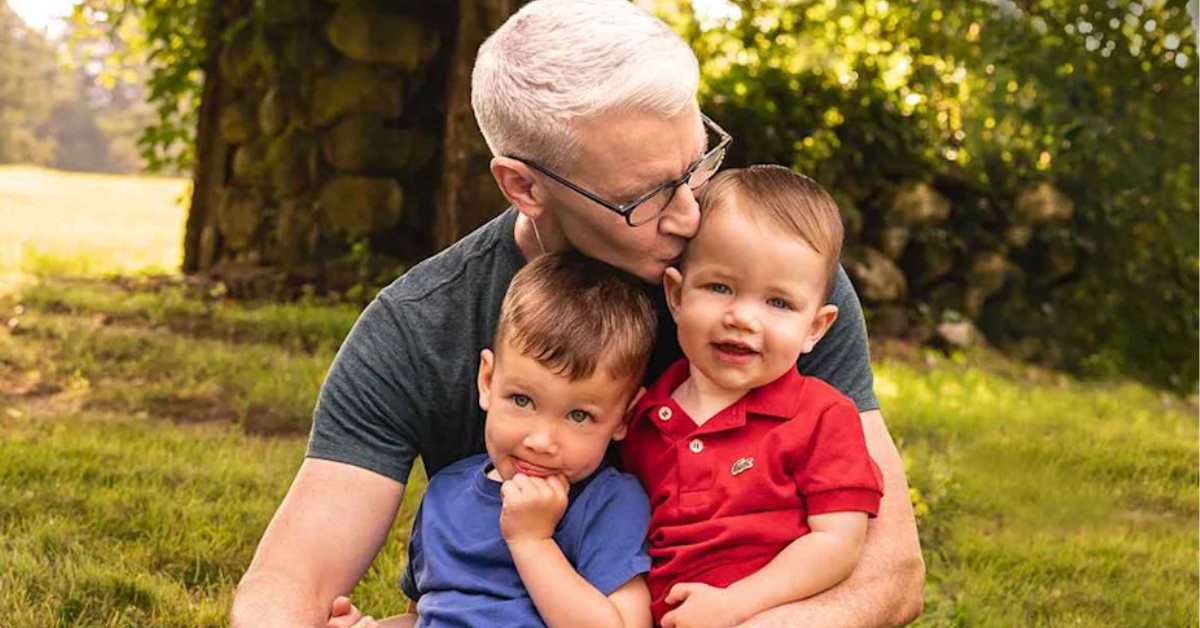
He is a father to two young sons, Wyatt Cooper and Sebastian Cooper, and recent statements emphasize his wish to be more present as they grow.
Stepping back from a second, demanding role makes practical sense: it frees up travel nights, weekend obligations, and the long editing cycles that come with in-depth pieces. It also matches how many professionals at midcareer sum up priorities when children are young.
A fuller look at Cooper’s career underlines why people notice these changes. He built his reputation as a field reporter, covering wars, disasters, and humanitarian crises, before launching his nightly show in the early 2000s.
He has won multiple Emmy awards and has long been seen as one of television news’s steady presences.
That background makes any role change feel significant, but it does not automatically point to poor health.

If Cooper or his representatives release more details, we or other reputable outlets will report it.
Until then, the best-supported account is this: a veteran journalist is simplifying a schedule to focus on family while maintaining his primary on-air work.
Fans who want to show concern can do it constructively, send well wishes, follow official updates, and avoid amplifying unverified speculation.












Leave a Comment