When Margaret Lewis stopped full-time work in her early 50s to care for her ageing mother, she believed the sacrifice was temporary. A decade later, now retired and renting in Birmingham, she is discovering the long-term cost of that decision. Her state pension is modest, her workplace pension small, and the gap between her income and her male peers is impossible to ignore.
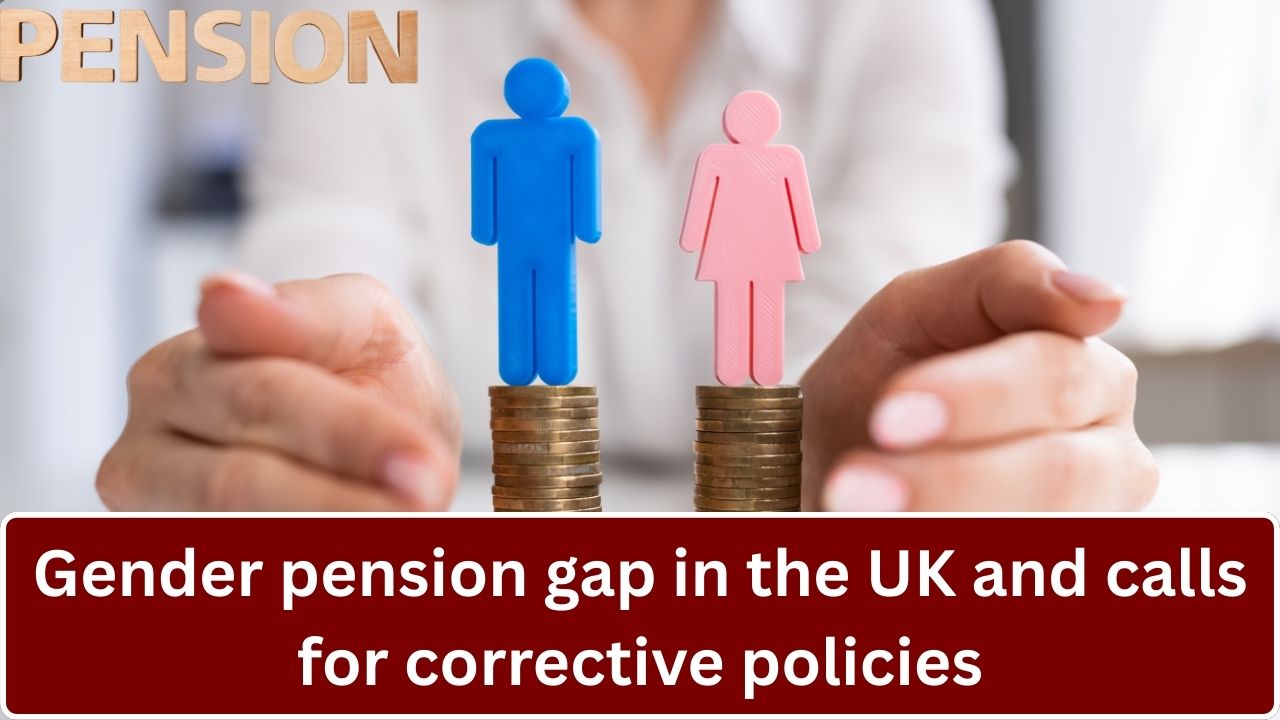
Margaret’s experience reflects a national issue. Across the UK, women retire with significantly less pension income than men, and growing concern is fuelling renewed calls for corrective government policies in 2025.
Here’s what you need to know.

What’s Changing: Rising Alarm Over the Gender Pension Gap
• Women retire with far lower pension pots than men on average
• Career breaks for caregiving remain the biggest driver of inequality
• Part-time and low-paid work reduces pension contributions
• Campaigners urge targeted pension credits and contribution reforms
• Government reviews underway but no firm timeline announced
The gender pension gap is now one of the most persistent inequalities in later-life income across the UK.
The Scale of the Gap in 2025
Current estimates suggest that women in the UK retire with pension incomes 30–40% lower than men on average. The gap is even wider for single women, divorced women, and those who spent long periods out of paid employment caring for children or elderly relatives.
While the introduction of automatic enrolment significantly improved women’s participation in workplace pensions, it has not fully solved the problem. Many women earn below the earnings threshold or work multiple part-time jobs that fall outside the system.
Real Stories Behind the Policy
In Leeds, 61-year-old former retail worker Susan Patel spent years juggling part-time roles while raising her children. “I was working, but not enough in one job to qualify for decent pension contributions,” she explains. “I did everything society asked of me, but the system didn’t protect me.”
In London, finance administrator Claire Matthews took two extended maternity breaks. “I assumed I’d catch up later,” she says. “But childcare costs meant I stayed part-time for years, and my pension never recovered.”

These stories are common, and experts say they highlight structural weaknesses rather than personal choices.
Why Women’s Pensions Lag Behind
1. Career Breaks for Care
Women still carry the majority of unpaid caregiving responsibilities. Time out of the workforce directly reduces pension contributions and career progression.
2. Lower Lifetime Earnings
The gender pay gap compounds over decades, meaning women contribute less overall to workplace pensions tied to earnings.

3. Part-Time and Flexible Work
Women are far more likely to work part-time. Many roles pay below auto-enrolment thresholds, leaving women excluded from pension saving altogether.
4. Divorce and Relationship Breakdown
Pension assets are not always fairly divided during divorce, leaving older women particularly vulnerable in retirement.
Government Statements
A spokesperson from the Department for Work and Pensions recently acknowledged the challenge, stating:

“The gender pension gap remains a priority issue. We are reviewing how existing pension policies interact with caregiving responsibilities and employment patterns.”
Several MPs across parties have echoed the concern, calling for a system that “better reflects modern working lives rather than outdated assumptions.”
Expert Analysis / Data Insight
Pension analysts warn that without intervention, the gap could worsen as housing costs rise and private savings become more important.

Key insights include:
- Women are twice as likely as men to rely primarily on the State Pension in retirement.
- Nearly 40% of women aged 55–64 have no private pension savings at all.
- Carer’s credits protect state pension entitlements, but do not address losses in workplace pensions, where the real gap emerges.
Experts argue that focusing solely on financial education is insufficient without structural reform.
Policy Proposals Gaining Momentum
Campaigners and think tanks are urging the government to consider:

• Automatic pension credits during unpaid caregiving periods
• Lowering or removing auto-enrolment earnings thresholds
• Government-funded pension top-ups for carers
• Mandatory pension impact assessments for flexible work policies
• Improved pension sharing enforcement during divorce
Advocates say these measures would not eliminate the gap overnight but would significantly reduce long-term inequality.
Comparison Table: How the Gap Builds Over Time
| Factor | Men | Women |
|---|---|---|
| Average full-time years worked | Higher | Lower |
| Career breaks for care | Rare | Common |
| Part-time employment | Less common | More common |
| Average private pension pot | Larger | Significantly smaller |
| Reliance on State Pension | Lower | Higher |
What You Should Know
If You’re a Woman Still Working
- Check whether all your jobs qualify for pension auto-enrolment.
- Consider consolidating small pension pots to track progress.
- Review whether voluntary contributions are affordable during higher-earning years.
If You’ve Taken Career Breaks
- Confirm you’ve received National Insurance credits for caregiving.
- Seek pension guidance to understand long-term impact and options.
If You’re Nearing Retirement
- Request a full pension forecast early.
- Explore delayed retirement options to increase state pension payments.
- Ask about pension sharing rights if divorced or separating.
Q&A: Understanding the Gender Pension Gap
1. What is the gender pension gap?
It’s the difference between average retirement income received by men and women.

2. Is it the same as the gender pay gap?
No, but the pay gap contributes significantly over time.
3. Has auto-enrolment helped women?
Yes, participation increased, but contribution levels often remain low.
4. Do carers receive pension protection?
Carer’s credits help protect state pensions but not workplace pensions.
5. Are part-time workers excluded from pensions?
Many earn below the auto-enrolment threshold and miss out.
6. Can the gap be closed without policy change?
Experts say no — structural reform is needed.
7. Does divorce affect women’s pensions more?
Yes, especially if pension assets are not fairly divided.
8. Are younger women less affected?
Not necessarily — housing costs and insecure work may worsen future gaps.
9. What role does flexible work play?
Flexible work helps employment but often reduces pension accumulation.
10. Are pension credits for carers being considered?
Yes, campaigners are pushing strongly for this reform.
11. How much lower are women’s pensions on average?
Around 30–40% lower than men’s.
12. Can voluntary contributions fix the issue?
They help but are often unaffordable for low- and middle-income women.
13. Is the State Pension enough on its own?
For many women, it provides only a basic standard of living.
14. What’s the biggest driver of the gap?
Unpaid caregiving responsibilities.
15. What should concerned workers do now?
Get a pension forecast, understand gaps early, and seek free guidance.










Leave a Comment