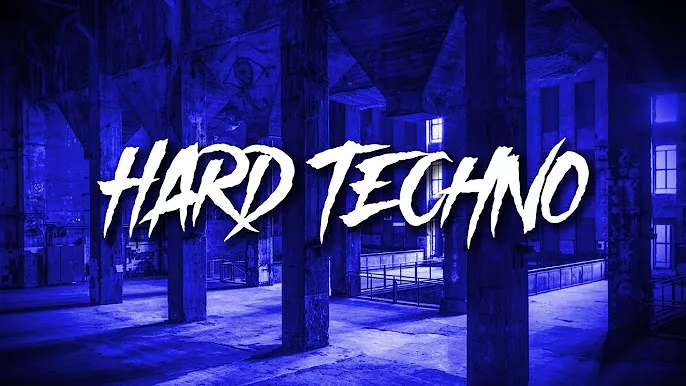
Multiple hard techno events and festivals have this week removed several headline DJs from their line-ups after a series of online posts alleged serious misconduct, including accusations of sexual assault.
The situation has rapidly reshaped bookings, prompted public statements from artists and promoters, and intensified discussion about safety and accountability in electronic music.
Several artists named in the allegations include Basswell, Odymel, and Fantasm. Promoters and festival organisers have cited “serious allegations” circulating online as the reason for removing those acts from upcoming events.
Among the events that confirmed removals are Verknipt, World Club Dome, Open Beatz, Airbeat One, Teletech, and Doof Music.
The allegations came to public attention principally through a series of Instagram posts and screenshots shared by a former agent at booking agency Steer Management.

The material has been widely circulated on social platforms and has led several agencies and promoters to suspend or sever ties with some of the named artists while they assess the claims.
Media outlets covering the unfolding story include DJ Mag, Mixmag, and Euronews. Those reports note that several artists have issued statements in response. Some, like Shlømo, have denied allegations and described the claims as defamatory, signalling intentions to pursue legal action.
Others have acknowledged problematic social media conduct while denying criminal wrongdoing and stepping back from public channels to allow for reflection and any formal processes to proceed.
Festival and promoter reactions have been swift. Organisers say they are acting on a duty of care to attendees, staff, and performers by removing artists from line-ups until allegations are clarified.
Several booking agencies have suspended collaborations with implicated DJs or accepted resignations, and some festival partners have announced refunds or programming changes to replace removed acts.
The controversy has sparked broad industry reaction. High-profile DJs and figures within the scene have publicly supported alleged victims and called for systemic change. Voices such as Amelie Lens, Sara Landry, Rebekah SPFDJ, and Joy Hauser have shared statements emphasising the need for accountability and better protections within nightlife environments.
A French campaign group operating under the handle @metoodjs — formed by industry professionals, lawyers, journalists, and psychologists- has gained prominence during the dispute, offering legal support, therapeutic referrals, and advocacy for those who report sexist or sexual violence in electronic music.
It is important to stress that, as of now, these reports reflect public allegations and industry responses rather than legal determinations.

No widely reported criminal charges or court findings have been published confirming the most serious claims. Where promoters and agencies have acted, they have typically framed their decisions as precautionary measures aimed at protecting audiences and staff while they await further clarification.
The mechanics of the initial disclosure have also fuelled debate. The agent’s posts included screenshots of messages and alleged interactions that followers and commentators have treated as evidence of a pattern of behaviour.
Others have warned about the risks of online naming without corroboration and the potential for unverified information to cause irreversible reputational damage.
That tension between rapid public accountability and the principles of due process is a live fault line in the ongoing conversation.
Beyond headlines and statements, the controversy has prompted some promoters and venues to review safeguarding protocols.

Measures now being discussed more widely include clearer staff training on bystander intervention, improved reporting channels at events, explicit policies around photographing and recording within backstage areas, and more robust vetting of bookings when allegations surface.
Advocates working on the issue say the episode highlights deeper cultural problems within parts of the scene, including power imbalances that can silence victims, inadequate workplace protections for crew and workers, and persistent norms that normalise unwanted behaviour.
Campaigners argue that meaningful change requires both immediate action when allegations surface and long-term structural reforms, from contractual codes of conduct to industry-funded support services for victims.
For those following developments, the next steps to watch are any formal complaints filed with authorities, statements from agencies and festival organisers detailing investigative findings, and any legal action taken by either accusers or accused. Industry bodies and trade groups may also convene to consider sector-wide responses.
In the meantime, many events have moved quickly to lock in replacement acts and to communicate safety measures to ticket holders.
The hard techno controversy has already reshaped festival line-ups and provoked a wider reckoning about conduct and accountability in electronic music. The story remains fluid and will evolve as promoters, law enforcement and the affected artists respond to new information.





Leave a Comment