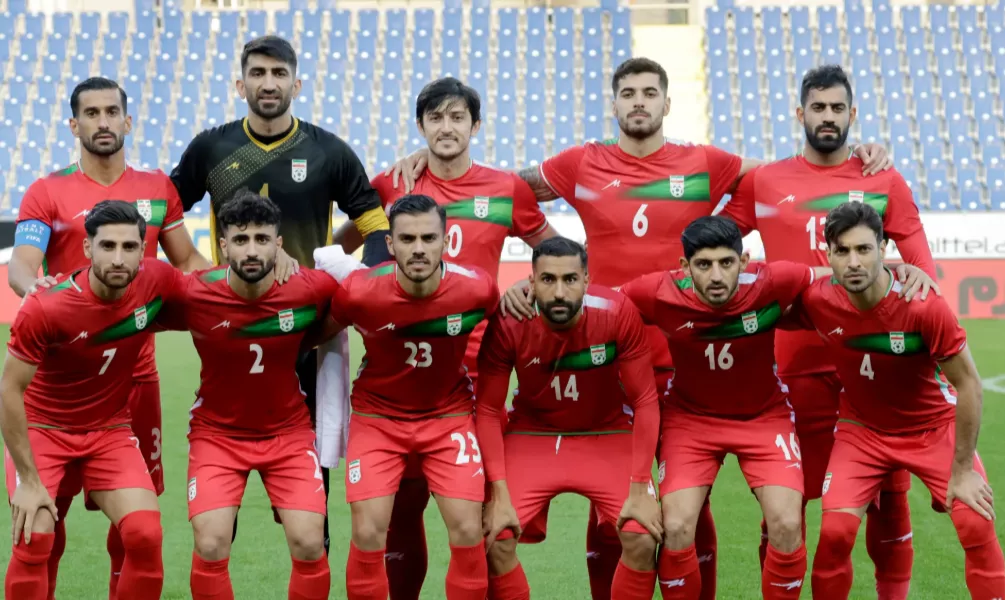
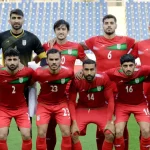
Iran’s national team is reported to be weighing a boycott of the FIFA World Cup 2026 after the recent U.S.–Israeli strikes on Iranian soil, according to Spanish sports daily Marca and several outlets that have since repeated the report.
The Iranian Football Federation’s president was quoted on state television as saying the country’s participation is “unlikely” under the current circumstances, though no formal withdrawal has been lodged with FIFA at the time of writing.
What happened on the ground that triggered the discussion is a rapid military escalation in late February 2026: coordinated strikes and counter-strikes that have destabilised normal life, prompted the suspension of Iran’s domestic league, and led authorities to prioritise national security over sporting plans.
The international football calendar and public safety are now entangled with geopolitics, a development that has forced FIFA to say it is “monitoring developments” closely and to open emergency lines with the host countries.
The 2026 tournament runs from June 11 to July 19 and will be staged across North America, with the bulk of Iran’s group matches scheduled on United States soil.
That timing places the team, its travel, visas, and safety arrangements directly in the orbit of decisions by host authorities and tournament organisers, complicating any simple political gesture such as a unilateral boycott.
If Iran does withdraw, sports outlets and analysts say the practical replacement path is narrow and governed by FIFA’s qualification structure: Iraq, which beat the United Arab Emirates in a dramatic AFC play-off in November 2025, is already in the inter-confederation play-off picture and could move into a finals slot depending on match timing and FIFA decisions.
Other scenarios floated by commentators see the UAE being offered a reprieve into the play-off line if scheduling allows, but those possibilities would require formal action by FIFA and the involved confederations, nothing is automatic.

For fans and organisers the immediate questions are procedural and practical: will Iran notify FIFA and when; can visas and travel be guaranteed for players (most sports exemptions exist, but host security policy matters); and who would replace Iran on the match list if the withdrawal is confirmed.
FIFA has emphasised safety and said it will continue talking to hosts and teams as the situation evolves, language that signals contingency planning but not final decisions.
Any change to the tournament’s team list would follow an official notification and then a procedural response from FIFA and the Asian confederation; until that happens, the fixtures in the United States remain scheduled and teams continue to prepare.





Leave a Comment