In the remote mountain community of Tumbler Ridge, British Columbia, a tragedy occurred on February 10, 2026, that shattered the peace of this small town and sent shockwaves across Canada.
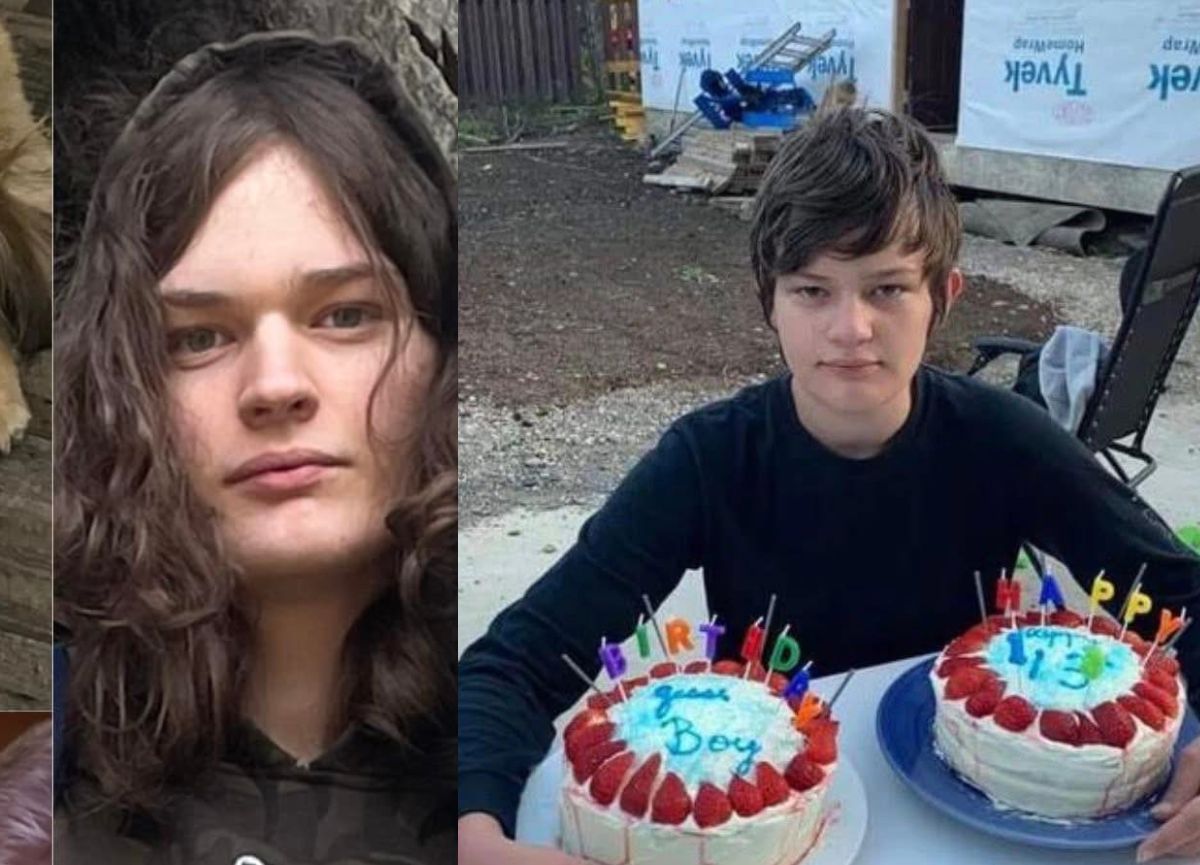
Eighteen-year-old Jesse Van Rootselaar, a transgender woman who had transitioned from male to female about six years earlier, carried out what has become one of the country’s deadliest mass shootings since the 2020 Nova Scotia rampage.
The incident left eight people dead, including her mother, Jennifer Jacobs, and her 11-year-old stepbrother, Emmett Jacobs, before Van Rootselaar turned the gun on herself at Tumbler Ridge Secondary School.
With more than 25 others wounded, the event has sparked intense discussions about mental health, gun access, and the complexities of gender transition in vulnerable youth.
Jesse Van Rootselaar was born biologically male and began her transition around the age of 12, a detail confirmed by Royal Canadian Mounted Police (RCMP) Deputy Commissioner Dwayne McDonald during a press conference.
McDonald stated,

“Jesse was born as a biological male who approximately six years ago began to transition to female,”
shedding light on an aspect of her life that has since become a focal point in media coverage and public discourse.
Growing up in a household surrounded by firearms, Van Rootselaar developed an early fascination with guns, hunting, and self-reliance.

Her mother, Jennifer, even promoted Jesse’s YouTube channel on social media, describing it as a platform where her “oldest son Jesse Strang” shared content about these interests, noting that it was her primary way of engaging online.
This channel, along with other social media posts, painted a picture of a troubled teen grappling with deeper issues.
Van Rootselaar’s life was marked by instability from an early age. A 2015 B.C. Supreme Court decision in a family law case described her family’s lifestyle as “almost nomadic,” with frequent moves that disrupted her childhood.

By the time she was eight or nine, her parents’ separation and custody battles had already introduced significant upheaval.
She dropped out of Tumbler Ridge Secondary School four years before the shooting, but her connection to the community, and its institutions, remained fraught.
Police records reveal multiple visits to the family home over concerns about her mental health and self-harm, including an apprehension under the Mental Health Act last year that led to a hospital assessment.
In one chilling detail, authorities had seized two firearms from the home two years prior, only to return them at the request of the lawful owner, whose identity wasn’t disclosed.
Her online presence offered further glimpses into her struggles. Van Rootselaar held a firearms license that expired in 2024, yet her posts continued to feature guns prominently.
She also openly discussed drug use, recounting experiences with psychedelics like mushrooms.

In one post, she described a low-dose trip as “chill,” but a higher three-gram dose of Blue Meanies led to a “complete break from reality,” where she felt like she was dreaming and faced “many consequences” from irrational actions.
More disturbingly, she created a “gaming experience” on a platform that simulated a shopping mall massacre, complete with characters arming themselves and shooting others, a detail that prompted the gaming company to remove her account after the tragedy.
Her posts on transgender forums revealed insecurities about her transition, including questions about her “build type” for hormone replacement therapy (HRT) and laments that she might never become a “petite” woman.
The shooting itself began at the family home, a split-level residence in Tumbler Ridge, where Van Rootselaar killed her mother and stepbrother before heading to the nearby school.
There, she targeted students and staff, killing five children and a teacher’s aide in a rampage that echoed the horrors of past Canadian tragedies, such as the 1989 École Polytechnique massacre.
Police found her dead from a self-inflicted gunshot wound, bringing the death toll to nine, including herself, making it Canada’s deadliest rampage since the 2020 Nova Scotia attacks that claimed 22 lives across multiple sites, some involving fires.
No guns were registered in her name, and investigators are still piecing together how she obtained the weapons used.
In the aftermath, Van Rootselaar’s biological father, Adrien Justin Van Rootselaar, released a heartfelt statement expressing profound sorrow. “I carry a sorrow that words cannot fully express,” he said, acknowledging his role as her father while grappling with the unimaginable.
Community members had long voiced concerns about firearms in the home, and the incident has reignited debates over gun control in Canada, especially in rural areas where hunting is common.
Beyond the facts, this case raises uncomfortable questions about the intersection of mental health and gender identity.
Some argue that Van Rootselaar’s transition, while a personal journey, may not have addressed underlying issues and could have introduced new complexities in her already turbulent life.
There’s a growing perspective that society’s encouragement of gender transitions for young, vulnerable individuals, through liberal policies and acceptance, might sometimes steer them toward paths of deeper distress, self-destruction, and, in rare, tragic instances like this, harm to others.
While no direct causation has been established, her online expressions of dissatisfaction with her body and transition process highlight the potential pitfalls for those navigating such changes amid mental health challenges.
As investigations continue, Tumbler Ridge, a town of just over 2,000 residents known for its natural beauty and dinosaur fossils, struggles to heal.
Survivors share stories of trauma, and the nation reflects on how to prevent such horrors.





Leave a Comment