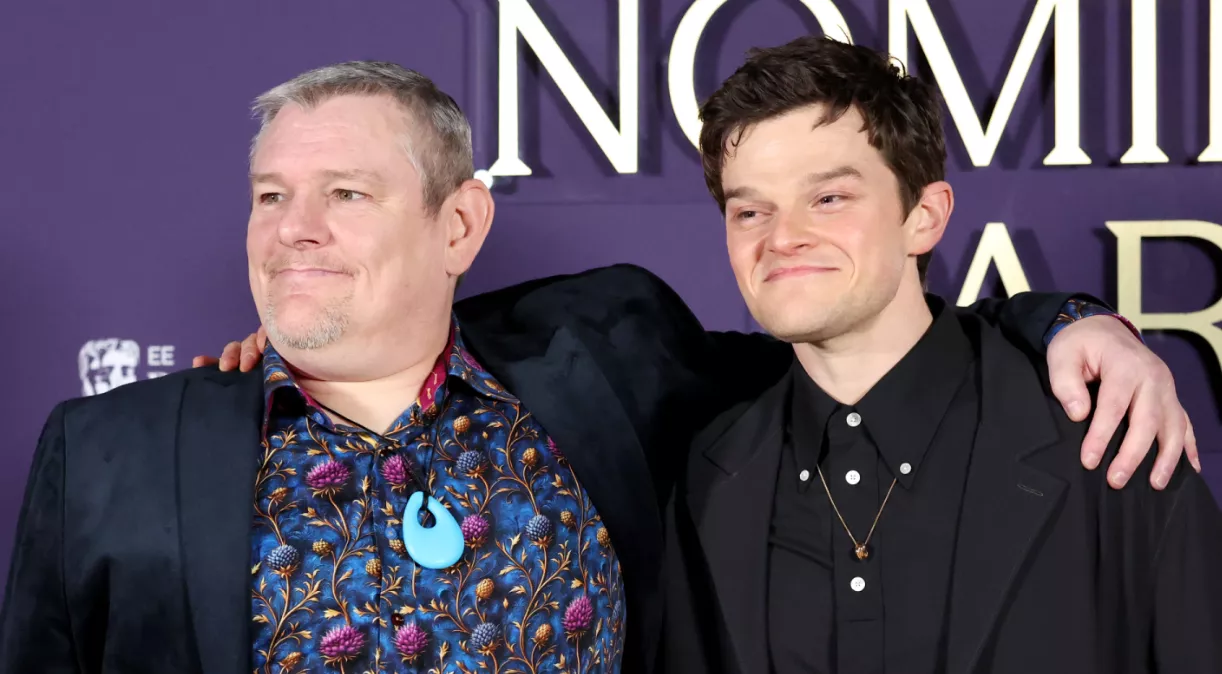
John Davidson, a well-known Tourette syndrome campaigner whose life inspired the film I Swear, was at the centre of a controversy after a racial slur he uttered involuntarily was broadcast during the BAFTA Film Awards.
The BBC has apologised and removed the programme from iPlayer for re-editing after the offensive word remained in the televised version despite being heard in the arena and explained to the live audience.
Davidson’s vocal outburst occurred while actors Delroy Lindo and Michael B. Jordan were on stage. Presenters and organisers had already explained to the BAFTA audience that Davidson experiences involuntary vocal tics because of his condition; host Alan Cumming briefly addressed the situation on stage as it unfolded.
Even so, the slur aired on the delayed broadcast, prompting immediate backlash from viewers and several high-profile figures.
The BBC issued an on-air apology and later said the line would be cut from future streams. The broadcaster explained its production team, working from an outside truck, had not heard the tic during editing.
The episode has reopened an uncomfortable public debate. Many commentators and viewers condemned the use of the slur and called for clearer editorial standards; actors, including Jamie Foxx and Wendell Pierce, publicly expressed their upset.
At the same time, Tourette-support groups and disability advocates pointed out an important distinction: some vocal tics in Tourette syndrome are involuntary, and in a minority of cases, people with the condition may utter profanities or taboo words without intent.
Tourettes Action, among others, urged compassion and understanding while acknowledging the harm the language causes.
The BAFTA incident has prompted questions about live and delayed broadcasts, editorial responsibility, and how awards shows screen and support guests with visible or vocal conditions.
Critics argued the two-hour delay should have allowed producers to remove the offensive moment, while others said the situation shows how quickly harm can spread when slurs are aired, even unintentionally. BAFTA and the BBC have both said they regret the distress caused and are reviewing processes.
Davidson’s profile rose again after the release of I Swear, the 2025 biopic that dramatizes his life and advocacy for people with Tourette syndrome.
The film drew praise and award attention, and Davidson attended the BAFTAs as part of that recognition.
Organisers had previously taken steps to explain his presence to the audience, but the broadcast mistake has emphasised the limits of those measures when offensive language is involved.
What follows now is likely to be a mix of editorial and cultural fallout: broadcasters reviewing how delayed feeds are edited, rights holders and festivals reassessing on-site support for disabled guests, and continued public debate about the balance between defending people with neurological conditions and confronting the real damage caused by racist language.
The incident is a reminder that involuntary speech and its impact on others sit uneasily in public spaces, and that institutions broadcasting high-profile events bear responsibility to prevent avoidable harm.



Leave a Comment