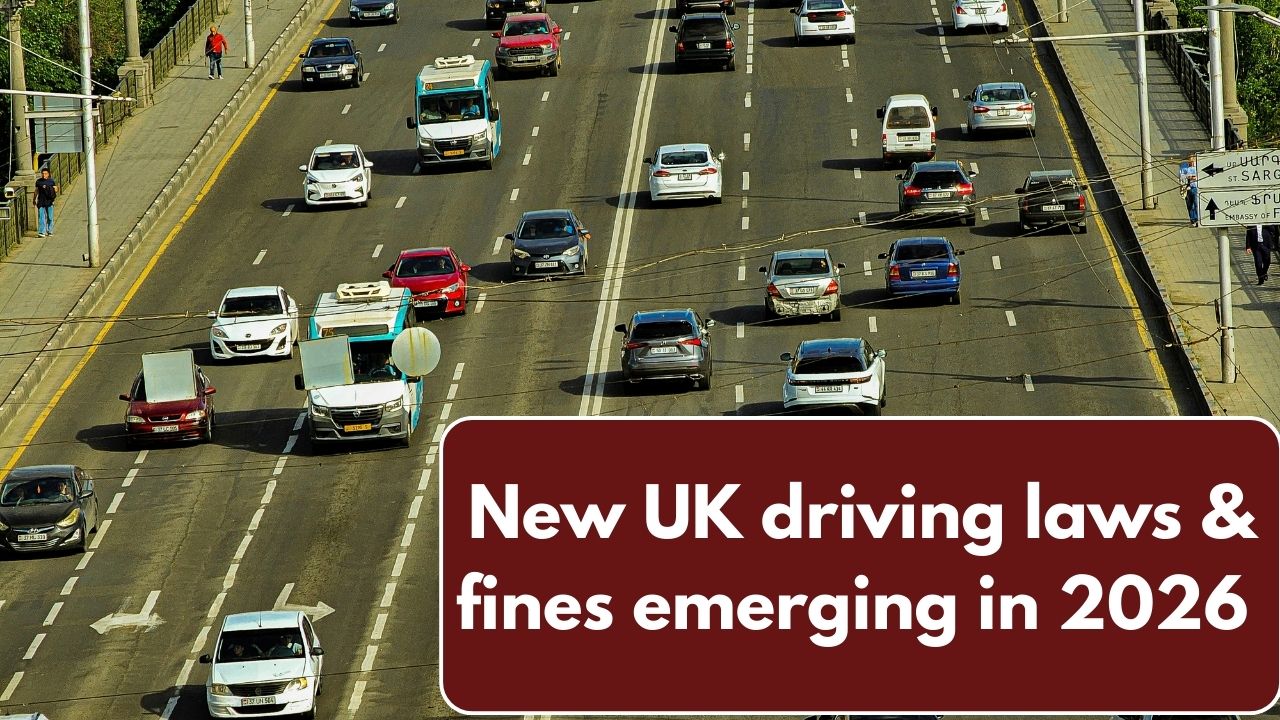
For millions of UK drivers, 2026 is shaping up to be a turning point. While there is no single “driving law overhaul,” a series of new rules, tighter enforcement tools, and expanded penalties are coming together — and many motorists won’t realise what’s changed until a fine lands on the doormat.
The focus is clear: emissions, unpaid road charges, and digital enforcement. What used to rely on roadside stops or paper reminders is now increasingly automated, cross-checked, and enforced long after the journey ends.
Here’s a detailed breakdown of what’s emerging in 2026, what’s already in motion, and how small mistakes could soon cost drivers far more than expected.
Fuel & Emissions Rules Tighten Further
Low- and zero-emission policies are expanding beyond major cities, and 2026 is expected to see wider coverage and stricter enforcement.
Key changes drivers are facing:
- Expansion of Low Emission Zones (LEZs) and Clean Air Zones
- Higher daily charges for non-compliant petrol and diesel vehicles
- Reduced exemptions for older vehicles
- Automated number plate checks replacing physical signage warnings
Many drivers are caught out because entering a zone is not illegal, but failing to pay the required charge automatically triggers a fine.

Enforcement relies heavily on data shared with the Driver and Vehicle Licensing Agency, meaning vehicle details, emissions class, and ownership are instantly verified.
Toll Roads: Unpaid Charges Mean Bigger Penalties
By 2026, toll enforcement across the UK is expected to be almost entirely digital.
What’s changing:

- Fewer toll booths, more free-flow charging
- Automatic penalty notices if payment is missed
- Shorter grace periods
- Higher penalty escalation if ignored
Drivers unfamiliar with routes — especially tourists and infrequent motorway users — are most at risk. Missing a payment by accident can quickly turn into triple-digit fines once admin fees are added.
Authorities say unpaid tolls are now one of the fastest-growing sources of driving penalties.
Digital Enforcement Goes Nationwide
Perhaps the biggest shift is how fines are issued, not just why.

By 2026:
- More offences are detected by cameras, sensors, and databases
- Fines arrive days or weeks later — with no roadside interaction
- Cross-checking between agencies is faster
- “I didn’t realise” is no longer a valid defence
The National Police Chiefs’ Council has repeatedly stated that digital enforcement allows police to focus resources on serious offences while routine compliance is handled automatically.
This includes:

- Speed enforcement
- Red-light cameras
- Mobile phone use detection
- Seatbelt compliance
- Unpaid charges and zone entries
Fuel Types, Labels, and Compliance Confusion
As fuel standards evolve, misfueling and compliance errors are becoming more common.
Drivers are increasingly fined or charged extra for:
- Using vehicles in zones where their fuel type is restricted
- Assuming hybrid or mild-hybrid vehicles are exempt
- Relying on outdated emissions classifications
Authorities stress that vehicle registration data, not fuel branding or marketing, determines compliance.

Small Mistakes That Could Trigger Fines in 2026
Many penalties are expected to come from everyday oversights, such as:
- Driving into a clean air zone “just once”
- Forgetting to pay a toll after passing through
- Assuming previous exemptions still apply
- Ignoring reminder letters sent digitally
- Failing to update vehicle details after purchase
With digital systems, enforcement doesn’t rely on intent — only on data.
Comparison: Old vs New Enforcement Style
| Area | Pre-2020s | 2026 Direction |
|---|---|---|
| Toll roads | Booths & staff | Free-flow digital |
| Emissions checks | Spot checks | Automatic ANPR |
| Fines | On-the-spot or letters | Fully automated |
| Appeals | More discretion | Data-driven |
| Warnings | Common | Less frequent |
The rules may feel familiar, but the margin for error is shrinking.

What UK Drivers Should Do Now
To avoid unexpected fines in 2026:
- Check your vehicle’s official emissions classification
- Understand which zones you regularly drive through
- Set reminders for toll payments
- Keep DVLA details up to date
- Don’t rely on assumptions or past experience
- Read digital notices promptly
Proactive checks can prevent fines months later.
Questions Drivers Are Asking
Q1: Are these brand-new laws?
Some are new, others are expansions of existing rules.
Q2: Are fines increasing?
In many cases, yes — especially for repeated or unpaid offences.
Q3: Will petrol and diesel cars be banned?
No, but restrictions and charges are expanding.
Q4: Are toll roads increasing?
More roads are moving to digital tolling.
Q5: Can fines arrive weeks later?
Yes — that’s now common.
Q6: Are hybrids always exempt?
No. Many are not.
Q7: Can I appeal digital fines?
Yes, but evidence-based systems reduce discretion.
Q8: Do foreign drivers face the same penalties?
Yes, enforcement is expanding to cover them.
Q9: Will signage still exist?
Yes, but responsibility lies with the driver.
Q10: What’s the biggest risk in 2026?
Assuming nothing has changed.
Bottom Line
UK driving in 2026 isn’t about suddenly harsher laws — it’s about relentless, automated enforcement. Fuel rules, toll payments, and compliance checks are increasingly handled by digital systems that don’t warn, don’t forget, and don’t make exceptions. Small mistakes that once slipped through now generate large fines, often long after the journey is over. For drivers, the safest approach is simple: assume every road is monitored and every charge is enforced.








Leave a Comment