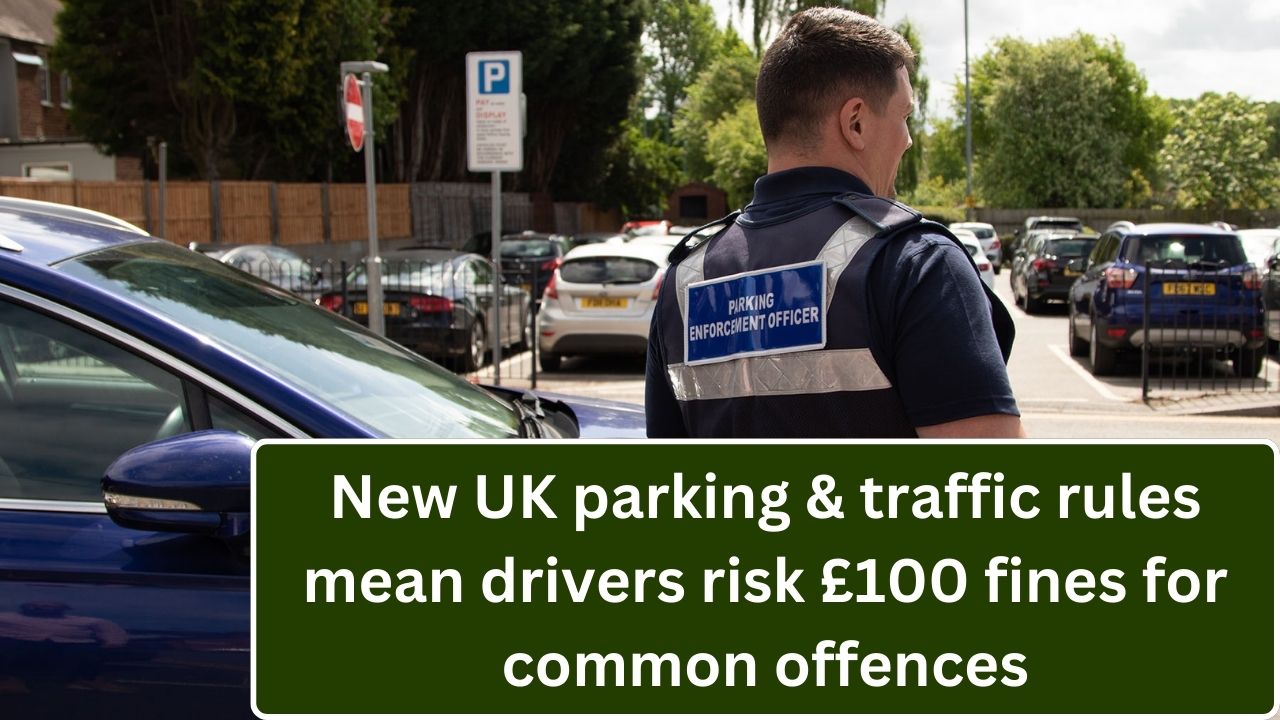
Across the UK, drivers are being caught out by newly enforced parking and traffic rules that can trigger £100 fines for everyday mistakes — often without any warning on the spot. For many motorists, the penalty notice arrives days later, long after the journey is forgotten.
The rules themselves aren’t always brand new. What is new is how widely and strictly they’re being enforced — particularly through cameras and automated systems.
Here’s what drivers need to know, which mistakes are proving most costly, and why fines are rising in 2025 and beyond.

What’s Driving the Rise in £100 Fines
Local authorities across England have expanded their powers under traffic management and clean air regulations. Combined with better camera technology, this has led to:
- More camera-based enforcement
- Fewer warnings and more automatic penalties
- Faster issuing of Penalty Charge Notices (PCNs)
- Wider coverage beyond major city centres
Enforcement is overseen locally but supported by national legislation and guidance from the Department for Transport.
Common Offences Now Triggering £100 Fines
Many drivers assume fines only apply to serious violations. In reality, routine driving habits are now the biggest risk.

1. Yellow Box Junctions
Stopping in a yellow box — even briefly — can lead to a £100 PCN if:
- Your exit isn’t clear
- Traffic ahead suddenly stops
Cameras enforce this automatically.
2. Bus Lanes (Including Part-Time Ones)
Driving in a bus lane outside permitted hours — or misreading signage — is one of the most common fines issued.

Many lanes operate:
- Only during peak hours
- Only on certain days
Mistakes are easy and expensive.
3. Parking Slightly Outside Bays
Parking with wheels:

- On the pavement
- Over bay lines
- In restricted zones
…can trigger a fine even if you’re only marginally out of place.
4. Loading and Drop-Off Confusion
Brief stops for:
- Picking up passengers
- Dropping off items
- Waiting with hazard lights
are often not permitted, despite common belief.

5. Moving Traffic Contraventions
New powers allow councils to fine for:
- Illegal turns
- Ignoring no-entry signs
- Blocking crossings
- Driving through pedestrian zones
These were previously enforced mainly by police but are now council-led.
Why Drivers Say the Rules Feel “New”
In many cases, the law hasn’t changed — enforcement has.

Drivers report:
- No ticket on the windscreen
- No immediate interaction
- A letter arriving weeks later
- Fines issued entirely by camera
This creates the impression of “new rules” when it’s actually new detection.
The Role of Cameras and Automation
Modern enforcement relies heavily on:

- ANPR cameras
- Fixed roadside cameras
- Mobile enforcement vehicles
Once recorded, a PCN is issued automatically. There’s often no discretion unless you formally challenge it.
Real Experiences From Drivers
Paul, a delivery driver in Birmingham, was fined for stopping in a loading bay for three minutes.
“I’d done it for years. Suddenly it’s £100 — and there was no one there to tell me.”
Linda, a retired driver, was caught by a yellow box camera.
“I moved when the light was green. Traffic stopped. That was it.”

These cases are increasingly common.
What Happens If You Don’t Pay
Ignoring a PCN can escalate quickly:
- Fine increases
- Enforcement action
- Debt recovery involvement
- Vehicle clamping in extreme cases
Most fines are reduced by 50% if paid promptly — but only within a strict time window.
What Has Not Changed
Despite online rumours:
- These are civil penalties, not criminal charges
- Points are not added to your licence
- Police are not issuing most of these fines
- Enforcement is still bound by regulation
But that doesn’t make them optional.
How Drivers Can Reduce the Risk
- Read roadside signs carefully — especially time plates
- Don’t assume past habits are still safe
- Avoid stopping in yellow boxes unless exit is clear
- Treat bus lanes as active unless clearly signed otherwise
- Check PCNs promptly and challenge only with evidence
Awareness is now the best defence.
Why This Matters for Older and Occasional Drivers
Older drivers and those who drive less frequently are:
- Less familiar with changing urban layouts
- More likely to rely on past experience
- More vulnerable to surprise fines
For pensioners or fixed-income households, a £100 fine can be a serious hit.
Common Questions Drivers Are Asking
1. Are these new national rules?
Mostly new enforcement powers, not new laws.
2. Why didn’t I get a ticket at the time?
Camera enforcement is now standard.
3. Is the £100 fine standard?
Yes — for many traffic and parking PCNs.
4. Can I appeal?
Yes, but only on specific grounds.
5. Do points apply?
No.
6. Are fines higher in London?
Often, yes.
7. Are signs always clear?
They must be — but confusion is common.
8. Can councils really issue these fines?
Yes.
9. Is enforcement increasing?
Yes, across many areas.
10. Will this continue?
All signs point to yes.
Bottom Line
Drivers across the UK now face £100 fines for common parking and traffic mistakes that are being enforced more strictly than ever before. While the rules themselves aren’t always new, the technology and approach behind enforcement are — and they leave little room for error.
For motorists, especially occasional and older drivers, the safest assumption is simple: if a restriction exists, it’s probably being enforced by camera.










Leave a Comment