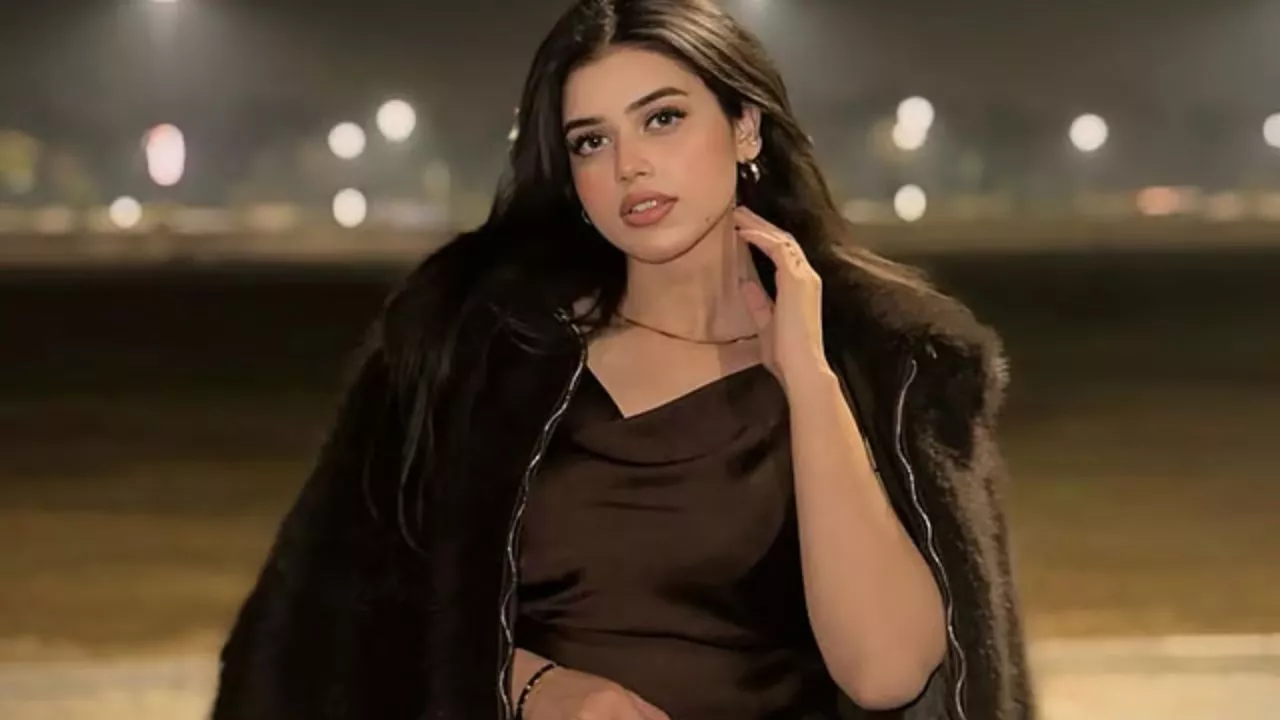
Pakistani social media influencer Alina Amir has spoken out strongly against a wave of fake explicit videos circulating online that falsely claim to feature her.
The controversy erupted after search terms such as “Alina Amir viral video” and “private clip leak” began trending across platforms, drawing attention to what she says are AI generated deepfake videos designed to tarnish her reputation.
According to reports published by BollywoodLife and Gulf News, the alleged clips quickly gained traction, prompting widespread speculation and online harassment.
Screenshots and short video snippets were circulated on social media, leading many users to assume the content was authentic.
However, Amir has categorically denied any involvement, stating that the videos are fabricated using artificial intelligence technology.
In a video message shared on her official Instagram account, Amir explained that she initially chose to remain silent. She observed the situation for nearly a week before deciding to respond publicly.

She said she noticed dozens of videos falsely bearing her name and image, which ultimately compelled her to break her silence.
Calling the material fake and malicious, she described the incident as a deliberate attempt to damage her personal and professional standing.
Amir urged her followers and the wider online community to verify content before sharing it. She stressed that in the age of AI, manipulated videos can appear convincingly real, making it easier for misinformation to spread rapidly.

She emphasized that such content is not harmless gossip but a serious form of harassment that can have lasting emotional and psychological consequences.
The influencer also made a direct appeal to Maryam Nawaz, requesting strict action against those responsible for creating and distributing the alleged deepfake videos. She called on the Punjab Cyber Crime Department to intensify efforts to identify perpetrators and ensure accountability.
Amir praised the department’s existing work but insisted that stronger enforcement is needed to deter similar attacks in the future.
Describing the ordeal as deeply distressing, Amir noted that the circulation of explicit fake content affects not only public figures but also ordinary citizens.
She pointed out that such videos are often shared with victims’ families, amplifying the humiliation and trauma. According to her, building a reputation takes years of dedication, yet it can be destroyed within moments by viral misinformation.
The incident has sparked broader conversations about digital safety and the misuse of AI technology.
Deepfake videos, which use artificial intelligence to superimpose a person’s face onto another body, have become an increasing concern worldwide. Women in particular are frequently targeted, with fabricated explicit content used as a tool for harassment and coercion.
Supporters flooded Amir’s social media accounts with messages of solidarity after her statement.
Many apologized for believing unverified claims and praised her for addressing the issue directly. Others echoed her call for stronger cyber laws and greater public awareness about the dangers of sharing unverified material.

This episode highlights the growing challenge posed by rapidly advancing technology in the digital age. As AI tools become more sophisticated and accessible, distinguishing real from fake content is becoming increasingly difficult.
For influencers like Alina Amir, the stakes are especially high, as their livelihoods depend on public trust and personal branding.
By speaking out, Amir has not only defended herself but also drawn attention to a larger issue that affects countless individuals.
Her message underscores the need for responsible online behavior, legal safeguards, and a collective effort to prevent digital harassment in all its evolving forms.





Leave a Comment