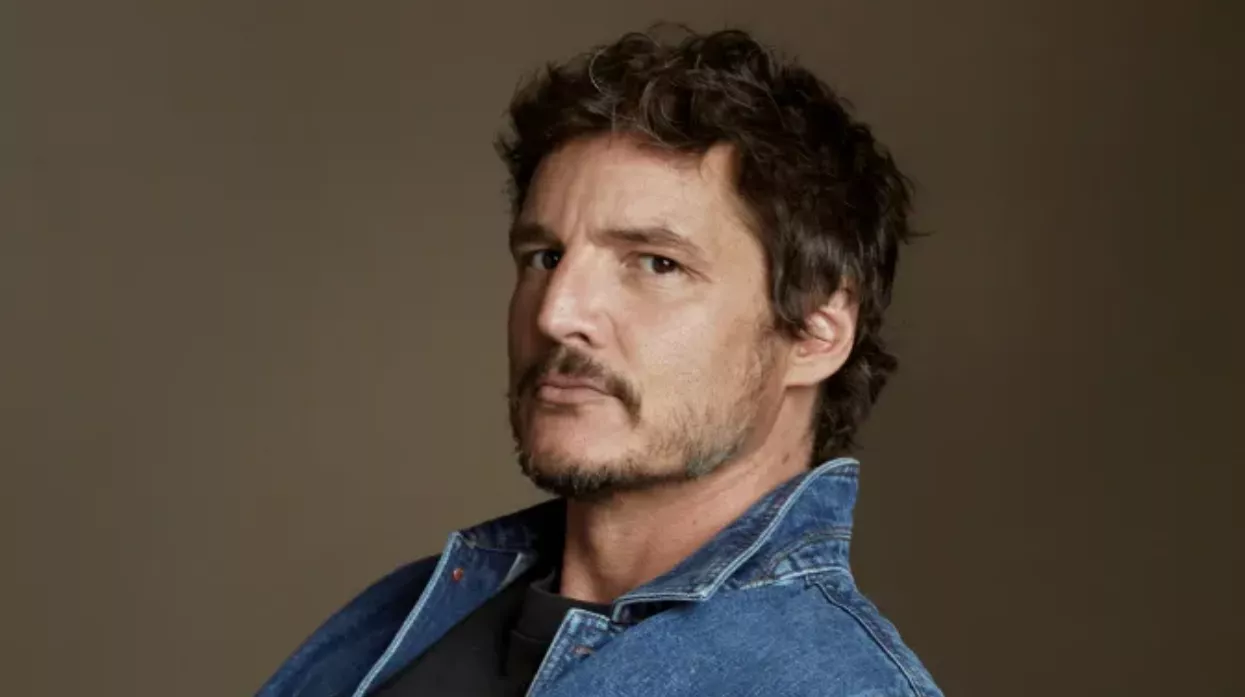
A string of photographs showing Pedro Pascal walking arm-in-arm with Rafael Olarra in New York has renewed public speculation about the actor’s private life and reignited a broader conversation about privacy, friendship, and visibility.
The images, captured by paparazzi and reposted widely on social media, show the pair strolling through Manhattan’s Lower East Side and later attending a screening together, prompting fans and outlets to wonder whether the two are romantically involved.
What is clear from contemporary coverage is that neither Pascal nor Olarra has publicly defined the nature of their relationship.
Major reports note the sightings and the affectionate body language in the photos, but they also stress that there has been no confirmation from either man.
In short: these are public observations, not statements of fact about Pascal’s orientation or personal life. Commentators have urged caution before reading too much into a single public outing.
Media descriptions of Rafael Olarra vary. Some outlets identify him as a former Chilean footballer, while others describe him as a creative or art director with ties to the fashion and arts world; coverage across entertainment and culture pages has not settled on a single biographical shorthand.

That fluidity is a reminder that celebrity sightings often travel fast while biographical details lag or diverge between sources, another reason for restraint when concluding.
However, according to our research, he is an Argentine creative director at Faena, who also describes himself as a triathlete and Adventurous climber.
The reaction online has been notable for its range. Some viewers and commentators celebrated the images as a welcome moment of public affection between two men, framing them as socially meaningful in terms of LGBTQ+ visibility and the loosening of old taboos about male intimacy.

Others cautioned against immediate leaps to label or speculate, arguing that friendship and public displays of affection can exist separately from romantic relationships. The discussion has extended beyond celebrity news into conversations about evolving norms around masculinity and the public lives of Latinx figures in Hollywood.
For Pascal specifically, the moment underscores how intensely private aspects of famous lives can become public fodder.
The actor has long guarded his personal life and rarely commented on relationship rumours; when he does speak about his own identity and advocacy, he typically frames it around openness and empathy rather than explicit autobiography.
That history suggests he may prefer to let this episode pass without public elaboration. Responsible coverage, analysts say, should center on verified facts and respect the individuals’ choice to confirm or not.
Industry observers note a second, less salacious implication: celebrity pairings often shift public attention toward the creative and professional work of both parties.

If the sighting leads to renewed interest in Olarra’s projects, whether in film, art direction or elsewhere, that outcome can be positive and professional rather than purely gossip-driven.
Likewise, for Pascal, who remains a prominent cultural figure across streaming and film platforms, public encounters tend to generate renewed scrutiny of his projects as much as of his private life.
At a practical level, readers should treat the coverage as a snapshot of public life: images and reports that invite curiosity but not definitive statements.
Until Pascal or Olarra chooses to speak, the most reliable facts are the sightings themselves and the accompanying context provided by reputable outlets.
For journalists and readers alike, the moment is a reminder that celebrity sightings often tell us as much about cultural expectations as they do about the people pictured.








Leave a Comment