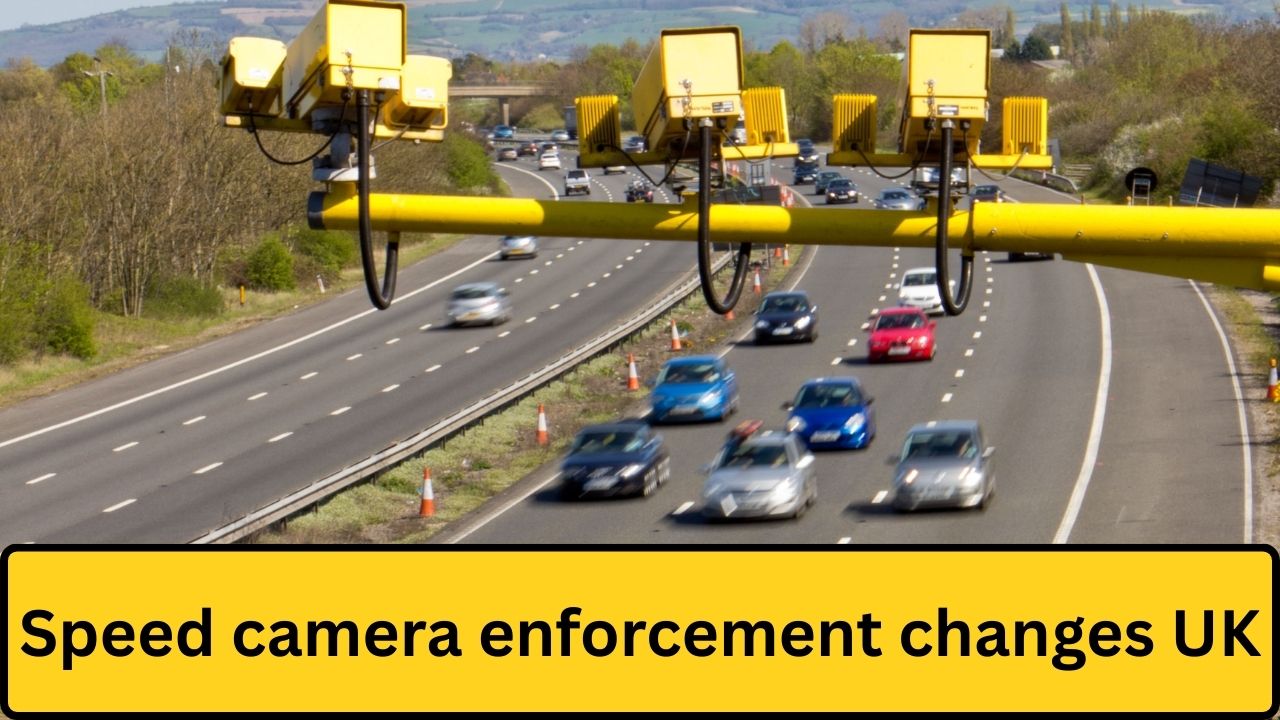
Across the UK, drivers are reporting more fines landing on doormats, fewer warning signs on roads, and tighter enforcement even for small speed breaches. This has fuelled confusion — and rumours — about whether speed camera rules have quietly changed.
The truth is more nuanced. Speed limits themselves haven’t changed, but how speed cameras are used, positioned, and enforced has evolved, leading to a real increase in penalties for everyday driving mistakes.
Here’s a clear explanation of what’s changed, what hasn’t, and why enforcement feels tougher.

Who Controls Speed Camera Enforcement
Speed camera policy is shaped nationally but enforced locally.
- National guidance comes from the Department for Transport
- Day-to-day enforcement is handled by local police forces
- Prosecutions are processed through police-run safety camera partnerships
This means enforcement can feel different depending on where you drive — but the overall direction is the same nationwide.
What Has Changed in Practice
1. More Average Speed Cameras
One of the biggest shifts has been the expansion of average speed camera zones.

These cameras:
- Measure speed over distance, not at a single point
- Remove the ability to slow briefly then speed up
- Are now common on:
- Motorways
- Smart motorways
- Roadworks
- Long A-roads
Because they monitor continuously, they catch more drivers who exceed limits even slightly.
2. Increased Use of Smart Motorway Cameras
On smart motorways, speed cameras are now:

- Linked directly to variable speed limits
- Automatically updated when limits change
- Enforced even when limits are reduced for traffic flow, not danger
Drivers caught exceeding a temporary limit — even if the road looks clear — can still be fined.
3. Fewer Warning Signs in Some Areas
While cameras must still comply with legal standards, prominent warning signs are no longer guaranteed everywhere.
- Some fixed cameras are less visible
- Mobile camera vans are deployed more flexibly
- Enforcement now focuses on compliance, not deterrence alone
This has led many drivers to believe “new cameras” have appeared overnight.

4. Tighter Tolerances Are Being Used
The long-standing informal tolerance (often described as “10% + 2mph”) is guidance, not law.
Police forces are:
- Increasingly enforcing closer to the legal limit
- Less likely to overlook small excess speeds
- Using calibrated digital equipment with higher accuracy
Legally, 1mph over the limit is still an offence.

What Has NOT Changed
Despite online claims, several things remain the same:
- Speed limits themselves have not changed
- The law on speeding offences is unchanged
- Cameras must still be approved and calibrated
- Drivers still have rights to challenge fines
- National speed limits remain consistent
There has been no secret change to speeding law — enforcement methods have simply modernised.
Penalties: Why More Drivers Are Being Caught
Because enforcement is tighter, more drivers are falling into penalty bands.

Typical outcomes include:
- £100 fixed penalty and 3 points
- Speed awareness course (where offered)
- Higher fines for larger excess speeds
- Court action for serious cases
Repeat offences or high speeds can trigger bans.
Real Experiences from Drivers
Mark, who drives daily for work, was caught at 46mph in a 40 zone monitored by average speed cameras.
“I didn’t realise how strict it had become. That road never used to catch anyone.”

Susan, fined on a smart motorway, said:
“The limit had dropped to 50 for traffic flow. I missed one sign — that was enough.”
These stories reflect how awareness matters more than ever.
Government and Police View
Officials argue the changes are about safety and consistency.

A transport safety spokesperson said modern camera systems reduce serious accidents and smooth traffic flow, particularly on busy roads.
Police stress that enforcement targets speed compliance, not revenue — and that lower tolerances reflect improved technology, not policy punishment.
Expert Analysis
Road safety experts note:
- Average speed cameras reduce collisions significantly
- Consistent enforcement changes driver behaviour
- Surprise enforcement is controversial but effective
However, critics argue clearer signage and better communication would improve public trust.
What Drivers Should Do Now
- Assume speed limits are strictly enforced
- Watch variable speed signs carefully
- Don’t rely on old tolerance rules
- Use cruise control where appropriate
- Check unfamiliar roads for average speed zones
Driving “just a little over” is now far more likely to result in action.
Common Questions Drivers Are Asking
1. Have speed limits changed?
No.
2. Are cameras stricter than before?
Yes, enforcement is tighter.
3. Is the 10% + 2mph rule law?
No — it’s guidance only.
4. Are average speed cameras more common?
Yes.
5. Can I still get a speed awareness course?
Sometimes, depending on speed and history.
6. Are smart motorways enforced automatically?
Yes.
7. Do cameras work all the time?
Most do.
8. Can fines be challenged?
Yes, through legal channels.
9. Are warning signs required?
Not always prominently.
10. Is this about raising revenue?
Authorities say no — it’s safety-led.
Bottom Line
UK speed camera enforcement hasn’t changed in law — but it has changed in reality. With more average speed cameras, smarter technology, and tighter tolerances, drivers are being caught more often for smaller excess speeds.
The safest assumption in 2025 is simple: drive at or below the posted limit at all times, even when the road looks clear. The margin for error is now much smaller.










Leave a Comment