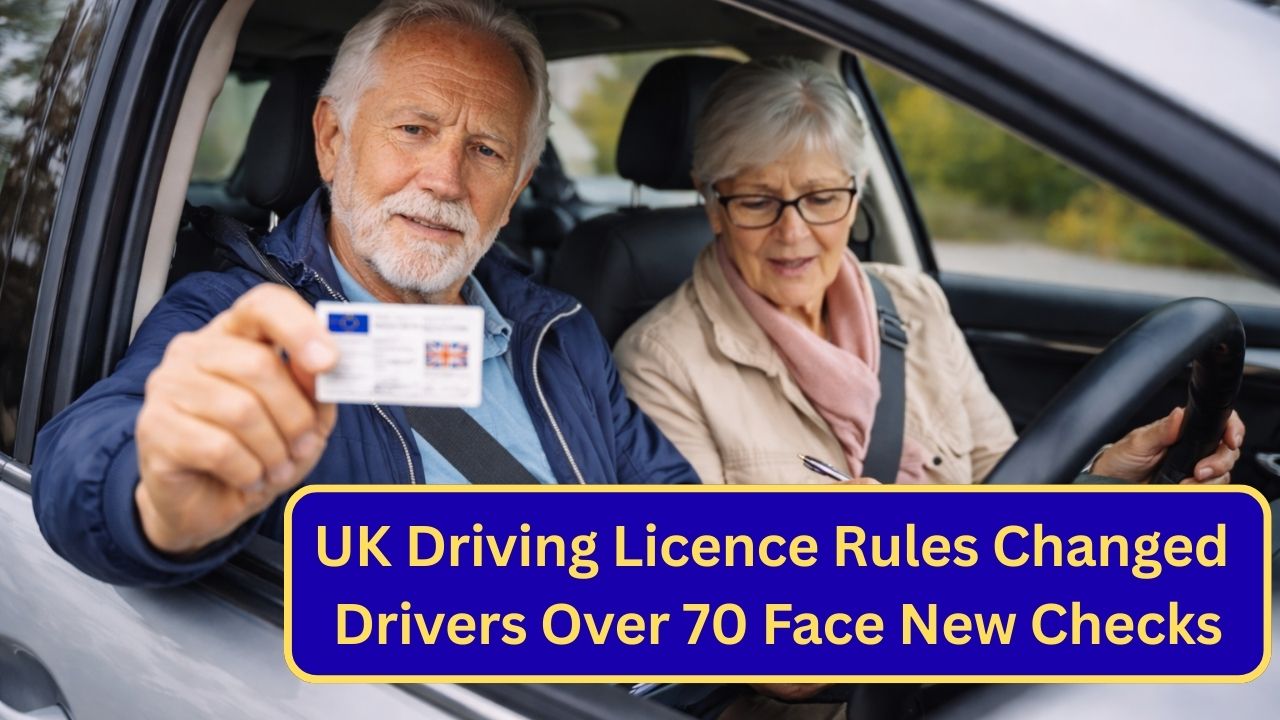
For millions of older motorists, driving represents independence, confidence, and everyday freedom. From local shopping trips to visiting family, holding a driving licence after 70 remains essential for many. But recent changes to UK driving licence rules mean drivers over 70 now face tighter checks and clearer responsibilities when it comes to staying on the road.
While these changes do not ban older people from driving, they do place greater emphasis on health, honesty, and regular reassessment — and failure to comply can carry serious consequences.
Here’s what has changed, who is affected, and what drivers over 70 must do to stay legal.

What Has Changed for Drivers Over 70?
In the UK, turning 70 has always triggered special licence rules. What’s changed is how closely those rules are being enforced and clarified, particularly around medical fitness and self-reporting.
Key changes now being emphasised:
- Stricter checks on medical declarations
- Greater scrutiny of health conditions affecting driving
- Clearer penalties for failing to disclose conditions
- Increased use of medical reviews where concerns arise
The aim is road safety — not age discrimination — but the impact is being felt most strongly by older drivers.
Current Driving Licence Rules After Age 70
Once you turn 70, your driving licence no longer lasts until age 70 as it did earlier in life.

The rules are:
- You must renew your driving licence every 3 years
- Renewal is free
- You must declare any medical conditions that could affect driving
- You confirm you are fit to drive when you renew
The system is overseen by DVLA.
Renewal can be done online, by post, or at selected Post Office branches.
New Focus on Medical Checks
While there is still no automatic driving test at 70, medical fitness has become the central issue.

Drivers must declare conditions such as:
- Vision problems
- Heart conditions
- Diabetes treated with insulin
- Neurological conditions
- Dementia or cognitive impairment
- Conditions causing blackouts or loss of consciousness
Failure to report a relevant condition can lead to:
- Licence cancellation
- Fines
- Insurance invalidation
- Prosecution if involved in an accident
Are Mandatory Medical Tests Being Introduced?
At present, there is no compulsory medical exam or retest purely because of age.

However:
- The DVLA can request a medical assessment
- GPs or specialists may be asked for reports
- A driving assessment may be required in some cases
These checks are triggered by:
- Medical disclosures
- Reports from doctors
- Police referrals
- Concerns raised by family or professionals
Vision Rules Are Being Enforced More Strictly
Eyesight is one of the most common reasons licences are reviewed.

Drivers must:
- Be able to read a number plate from 20 metres
- Wear corrective lenses if required
- Inform DVLA if eyesight deteriorates
Vision-related issues are a leading cause of licence revocation among over-70s.
What Happens If You Don’t Renew or Disclose?
Driving without a valid licence after 70 is illegal.

Potential consequences include:
- £1,000 fines
- Points or prosecution
- Insurance refusal after accidents
- Permanent licence loss
Many drivers lose their licence not because they are unsafe, but because they miss renewal deadlines or fail to declare health changes.
Why These Rules Are Being Tightened
The UK’s population is ageing rapidly, and the number of drivers over 70 is at record levels.

Key factors driving change:
- More drivers staying on the road into their 80s
- Higher accident risk linked to untreated medical conditions
- Increased focus on public safety and accountability
Authorities stress that age alone does not make someone unsafe, but unmanaged health conditions can.
How the UK Compares Internationally
| Country | Senior Driver Rules |
|---|---|
| United Kingdom | Renewal every 3 years from 70 |
| Australia | Regular medical checks after 75 |
| France | No age-based renewal |
| Japan | Cognitive tests after 75 |
| United States | Varies by state |
The UK sits in the middle — avoiding blanket testing, but relying on self-reporting and targeted checks.

What Drivers Over 70 Should Do Now
- Check your licence expiry date
- Renew on time every 3 years
- Be honest about medical conditions
- Get regular eye tests
- Keep copies of renewal confirmations
- Speak to your GP if unsure about fitness to drive
Proactive action can prevent sudden loss of driving privileges.
Common Questions About Driving After 70
1. Do I have to take a driving test at 70?
No.
2. Is a medical exam mandatory?
Only if DVLA requests one.
3. Can my GP stop me driving?
They can advise and notify DVLA if safety is at risk.
4. How often must I renew my licence?
Every 3 years.
5. Is renewal free?
Yes.
6. Can family members report concerns?
Yes, confidentially.
7. What if I forget to renew?
Your licence becomes invalid.
8. Does insurance change after 70?
Often yes — insurers assess risk individually.
9. Can DVLA revoke my licence suddenly?
Yes, if safety concerns arise.
10. Can I appeal a DVLA decision?
Yes.
What This Means Going Forward
The changes do not signal an end to driving after 70 — but they do mean greater responsibility and vigilance for older motorists. Staying informed, renewing on time, and being honest about health are now essential to staying legally and safely on the road.










Leave a Comment