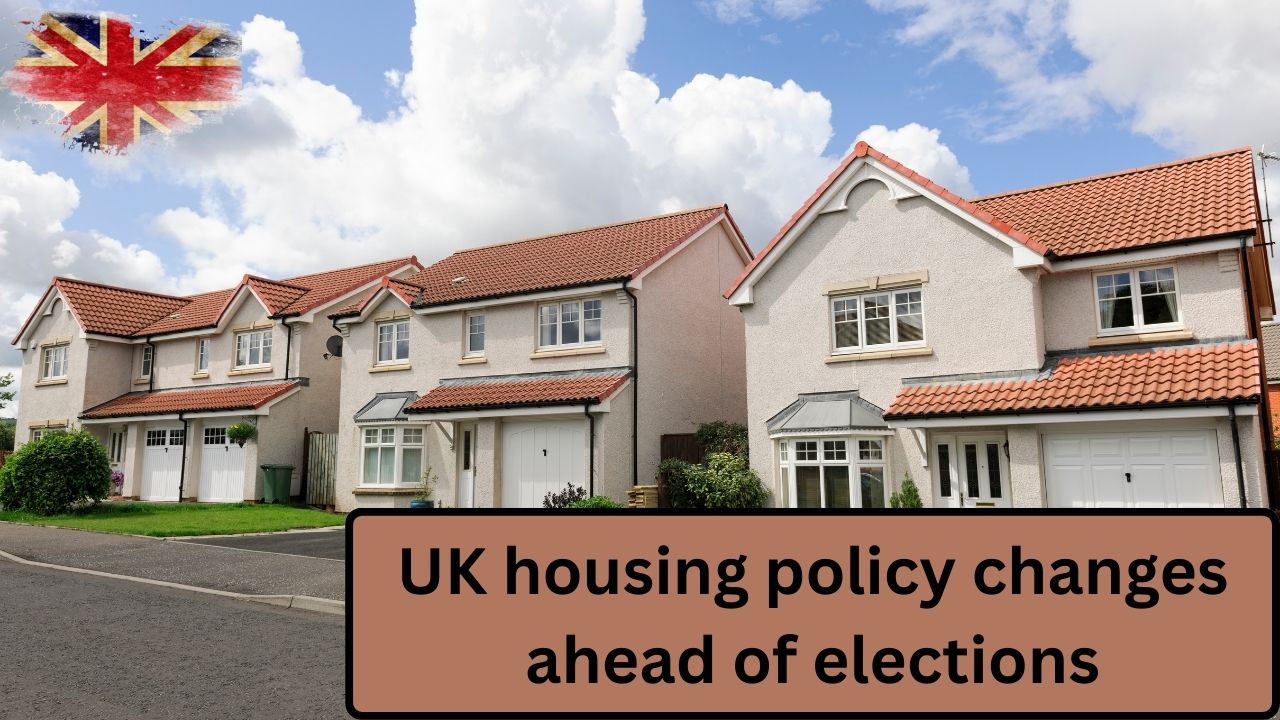
Housing has once again moved to the centre of UK political debate. With rents high, first-time buyers locked out, and social housing shortages deepening, all major parties are sharpening their housing positions as elections approach.
While no single reform will solve the crisis overnight, a wave of housing policy changes and proposals is now taking shape, aimed at winning voter trust and responding to long-standing pressure points in the market.
Here’s a clear look at what’s changing, what’s being promised, and why housing is such a decisive election issue.

Why Housing Is Dominating the Political Agenda
For many voters, housing costs now rival energy bills as the biggest monthly expense.
Key pressures include:
- Private rents rising faster than wages
- Mortgage affordability strained by higher interest rates
- A shortage of social and affordable housing
- Younger voters delaying homeownership indefinitely
These issues cut across age, region, and income — making housing politically unavoidable.

Current Policy Direction
The UK Government has already signalled several priorities that shape the pre-election landscape:
- Continued emphasis on increasing housing supply
- Planning reform framed around local consent
- Support for first-time buyers through targeted schemes
- Gradual reform of the private rented sector
While ministers argue progress is being made, critics say delivery has lagged behind promises.
Private Rented Sector: Major Reforms in Focus
One of the most significant areas of change is the private rental market.

Policies moving forward or under active debate include:
- Ending so-called “no-fault” evictions
- Stronger minimum property standards
- Greater security for long-term renters
- Clearer rules around rent increases
Renters’ groups see these reforms as overdue, while some landlords warn of reduced supply if regulation tightens too far.
Social and Affordable Housing Commitments
Housing charities and councils continue to push for large-scale public investment.

Across the political spectrum, proposals now commonly include:
- Boosting social housing construction
- Giving councils greater borrowing freedom
- Prioritising genuinely affordable rents
- Using public land more aggressively for housing
The debate is less about whether social housing is needed — and more about scale, funding, and speed.
First-Time Buyers: Competing Promises
Homeownership remains a powerful electoral issue.

Proposals being discussed include:
- Extended or redesigned first-time buyer support
- Stamp duty relief for certain buyers
- Mortgage guarantee schemes
- Planning incentives for starter homes
Younger voters, however, increasingly question whether these measures address the root problem: high prices relative to incomes.
Planning Reform: A Political Balancing Act
Planning remains one of the most contentious areas.

Key tensions include:
- Local opposition vs national housing targets
- Green belt protection vs development needs
- Speeding up approvals vs community input
Ahead of elections, policymakers are treading carefully — aware that planning decisions can win or lose marginal seats.
Real Experiences Behind the Debate
Amira, a private renter in London, says stability matters more than anything.
“I don’t need fancy schemes — I need to know I won’t be forced out every year.”

David, a first-time buyer in the Midlands, feels stuck.
“My deposit keeps growing, but prices and rates move faster. Promises sound good — delivery is what matters.”
These stories reflect why housing policy resonates so strongly at the ballot box.
Expert Analysis: Why Election Cycles Matter
Housing experts note that election cycles often:

- Delay controversial planning decisions
- Shift focus toward short-term relief
- Increase headline announcements over delivery
The risk, analysts warn, is that long-term housing supply gets sacrificed for short-term political safety.
What Has Not Changed
Despite heated debate:
- There is no immediate nationwide rent freeze
- Homeownership is not becoming mandatory or restricted
- Councils still face capacity constraints
- Housing delivery remains slow by historical standards
Structural problems built up over decades cannot be reversed instantly.
What Voters Should Watch Closely
As elections approach, key signals to monitor include:
- Whether housing targets are binding or optional
- Funding levels for social housing
- Timelines, not just promises
- How renter protections are enforced
- Regional differences in policy impact
Housing policy details matter — especially beyond slogans.
Common Questions Voters Are Asking
1. Are major housing reforms coming before elections?
Some are progressing, others are proposals.
2. Will rents be capped nationally?
There is no confirmed national cap.
3. Are no-fault evictions ending?
Legislation is planned, but timelines matter.
4. Will more social housing be built?
All parties say yes — scale is the question.
5. Are first-time buyers being prioritised?
Politically, yes — practically, results vary.
6. Is planning reform likely soon?
Changes are cautious ahead of elections.
7. Will housing costs fall?
Large, rapid falls are unlikely.
8. Are landlords being targeted?
Regulation is increasing, but ownership remains legal.
9. Does housing influence election outcomes?
Increasingly, yes.
10. Should voters expect quick fixes?
No — housing change is gradual.
Bottom Line
UK housing policy is entering an election-shaped phase, with sharper promises, cautious reforms, and intense scrutiny from voters. Renters want security, buyers want access, councils want funding, and politicians want credibility.
What happens next will depend not just on election results — but on whether housing policy finally shifts from short-term fixes to long-term delivery.










Leave a Comment