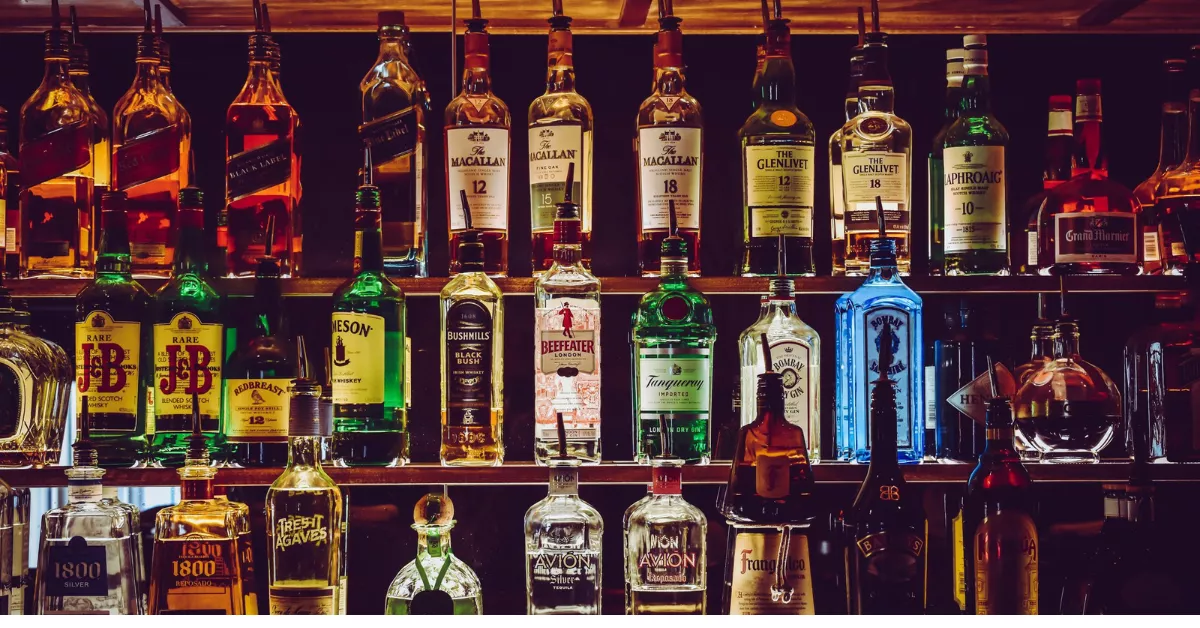
New HMRC figures show UK spirits duty receipts fell by £154 million year-on-year for the period April 2025 to January 2026, leaving the Treasury with £3.39 billion from spirits compared with £3.53 billion in the same period a year earlier.
Industry sources and analysts trace the fall to a 17% rise in spirits duty introduced since August 2023 and the government’s decision to peg alcohol duty to the Retail Price Index (RPI) from February 2025.
Critics say the higher rates have pushed prices up enough to erode demand, meaning the tax rise has not translated into higher receipts.

Trade groups representing distillers and hospitality employers have warned that repeated duty increases risk shrinking the very tax base the Treasury depends on.
The Scotch Whisky Association’s strategy director, Graeme Littlejohn, has publicly urged a lower tax burden to protect jobs and growth, while the UK Spirits Alliance said successive hikes are “not delivering more for the Treasury” and are imperilling distilleries across the country. Graeme Littlejohn, Scotch Whisky Association, UK Spirits Alliance
HMRC’s provisional quarterly receipts for August–October 2025 already showed spirits receipts at £995 million, a 2% decline on the same period a year earlier, and provisional April–October data points to a 7% drop in spirits duty overall; wine, beer, and other fermented products also fell, while cider receipts rose.

Analysts note short-term trader behaviour, including stockpiling ahead of known duty upratings, may have distorted month-to-month receipts, but the year-to-date decline is clear.
The policy change to link alcohol duty to inflation, announced in the 2025 Budget and applied using RPI, has proved politically contentious, with industry groups calling it a “betrayal” for Scotch whisky in particular and urging the Chancellor to consider a stable, multi-year approach to excise duty.

Trade bodies contend that predictability, or a temporary cut, would better sustain jobs, exports, and long-term tax income than repeated, large increases.
Beyond headline receipts, the fall matters for regions heavily reliant on spirits production and tourism.
Distilleries and hospitality firms say higher retail prices have reduced on-trade sales and tourist spending, and forced some businesses to delay investment or cut staff.

MPs and stakeholders pressed for a formal review: the All-Party Parliamentary Group for UK Spirits launched a call for evidence into the excise system in mid-2025 to examine the broader economic and fiscal impact. All-Party Parliamentary Group for UK Spirits
For the Treasury, the numbers pose a dilemma: duty increases are a tool for raising revenue and curbing harmful consumption, but these figures show higher rates can backfire if they materially depress sales.
Policymakers will be watching the next HMRC alcohol bulletin closely; provisional data for November 2025 to January 2026 is due in the government’s scheduled release, to see whether the revenue slide continues into the latter months of the financial year.

If ministers want to reverse the decline in spirits receipts, industry groups say options include a temporary duty cut, a longer freeze, or targeted reliefs for exporters and visitor-facing businesses.
Whatever the policy choice, the recent £154m fall underlines that tax policy and market behaviour are tightly linked: raising rates does not guarantee higher revenue if it changes what, and how much, consumers buy.










Leave a Comment