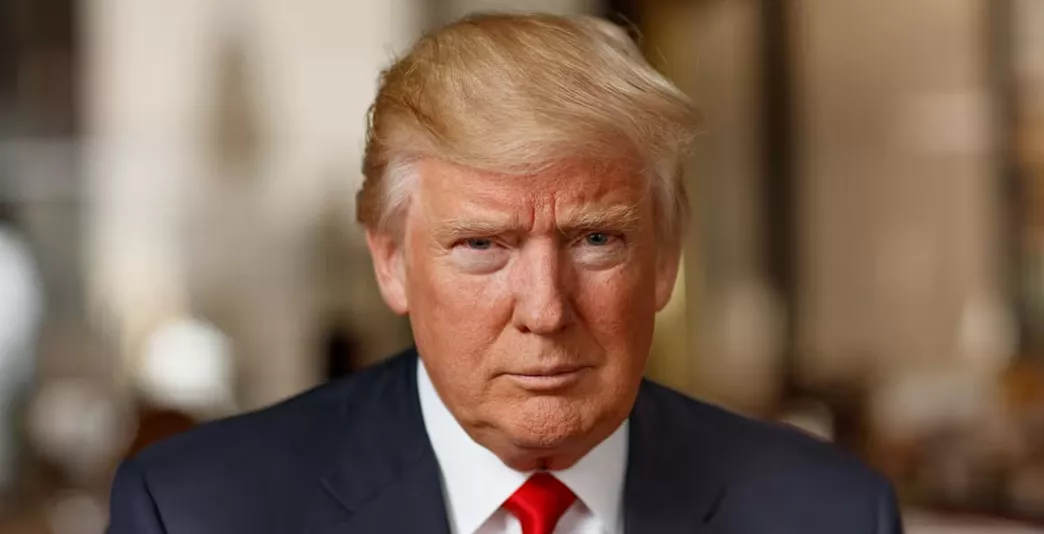
President Donald Trump signed a proclamation establishing “National Angel Family Day” and hosted a remembrance ceremony in the East Room of the White House on Monday, honoring relatives of people killed by people who were in the United States without legal status.
The event brought family members to the lectern, highlighted individual tragedies, and underscored the administration’s argument for tougher immigration enforcement.
Trump used the ceremony to argue that stronger border control would have prevented some of the deaths mourned that day. “Everyone in this room not only suffered an infinite loss, they were the victims of politicians who put the comfort of foreign criminals before the safety of American citizens and American patriots,” he said, repeating a line of criticism aimed at the Biden administration’s border policies.

He framed the proclamation and the Laken Riley Act, the first law he signed in his second term, named for a victim whose case became emblematic in the immigration debate, as steps toward preventing future violence.
The ceremony coincided with remembrance of Laken Riley, the 22-year-old nursing student who was found dead after a jog near the University of Georgia in February 2024. Jose Antonio Ibarra, a Venezuelan man convicted of her murder, is serving a life sentence. Riley’s mother, Allyson Phillips, spoke at the event and thanked Trump for keeping her daughter’s case in the public eye.
“You have fought a fight that most people would not want to have to fight,” she told the president.

Other family members who lost loved ones also spoke. Steve Ronnebeck, father of Grant Ronnebeck, who was fatally shot at a gas station in Arizona, called the deaths “preventable” and blamed what he described as lax border enforcement.
Maria Vega, whose son Javier Vega Jr., a Border Patrol agent, was killed, described her son as “an amazing man” and joined calls for tougher measures.
The event prompted immediate debate. Supporters said the ceremony recognized real victims and pressed a policy case for stronger immigration controls.
Critics argued the ceremony was politically charged, using personal tragedy to advance a partisan agenda. Some advocacy groups and commentators warned that framing these losses primarily through immigration status risks oversimplifying complex criminal cases and stigma toward immigrant communities.
The White House gathering also took place against a broader news backdrop. Trump used the platform to reiterate a range of campaign themes, including claims about the 2020 election that are widely disputed; those remarks were noted by viewers and reporters alongside the ceremony.
Meanwhile, opponents have criticized aspects of Trump’s enforcement approach as heavy-handed, pointing to arrests and crackdowns that affected both undocumented immigrants and people without criminal records.

Legally and politically, the new recognition does not create a federal entitlement or program but signals the administration’s priorities heading into the next legislative debates.
The Laken Riley Act and other measures tied to the administration’s immigration agenda are meant to tighten enforcement and change how certain immigration cases are handled; opponents say many such policies will require close judicial and congressional scrutiny.
The immediate effect of the ceremony is symbolic: families received a public forum, and the administration reinforced its argument linking criminal cases to immigration policy.

The longer-term impact will depend on whether Congress takes up the administration’s proposals and on public reaction in battleground districts where immigration remains a potent issue.
For now, the event highlights both the human cost of violent crime and the political stakes of how those tragedies are framed.






Leave a Comment